

Advanced Glass/Carbon Hybrid RTM Construction
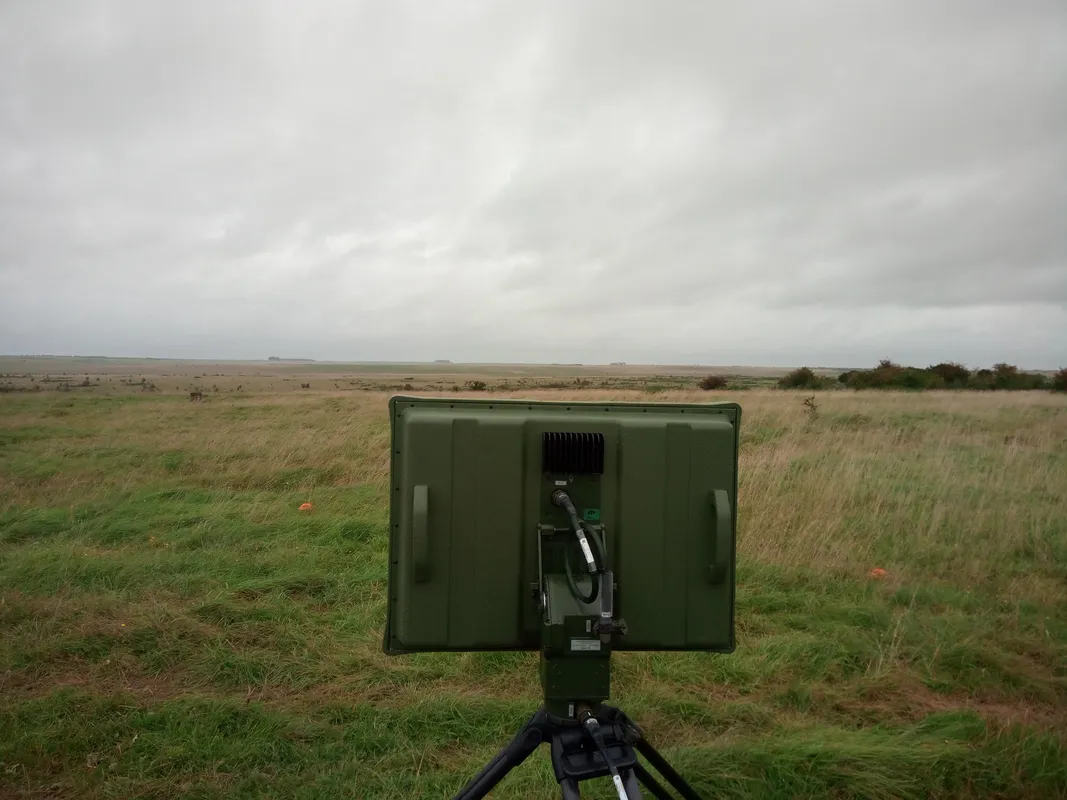
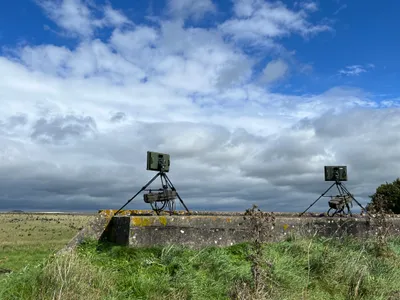
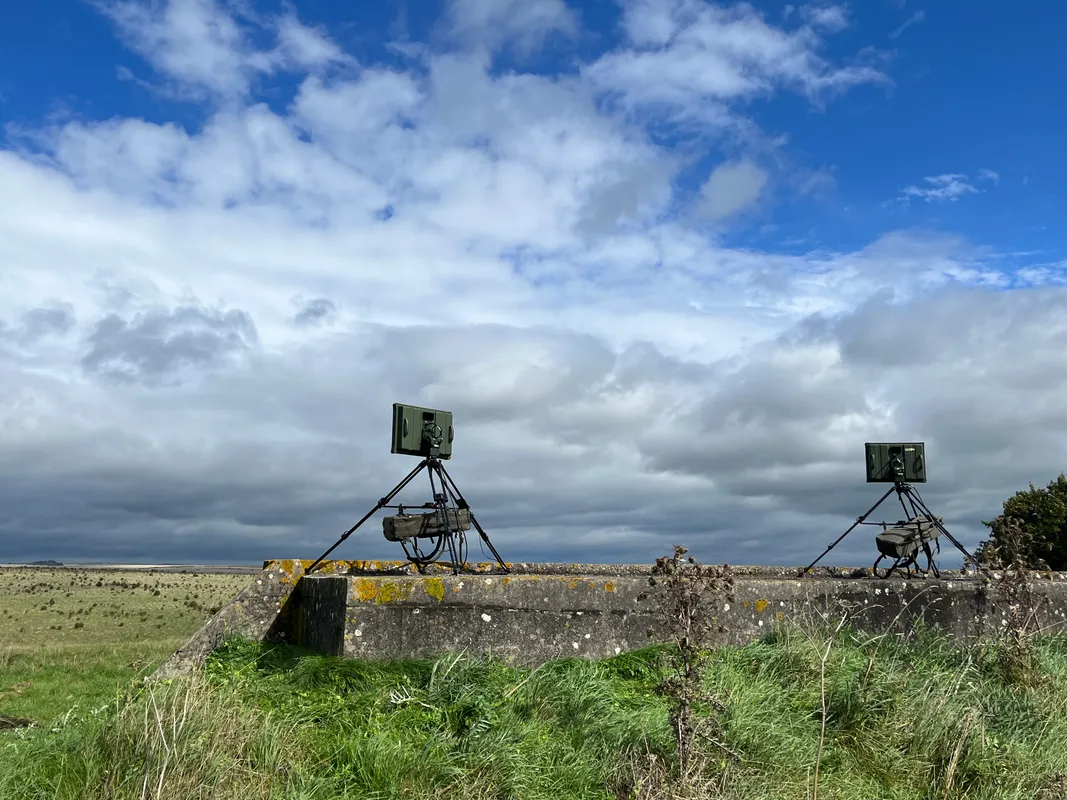
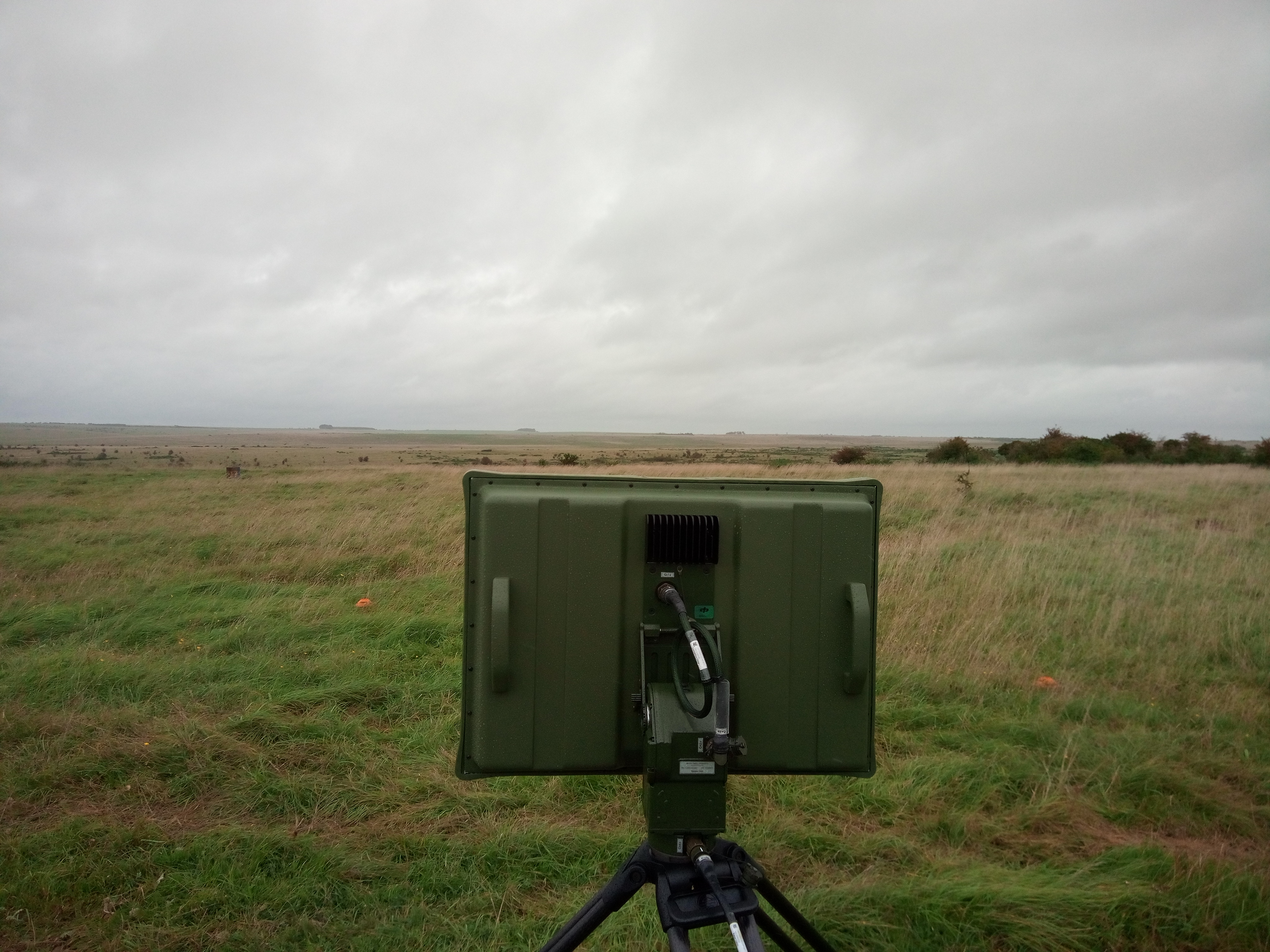
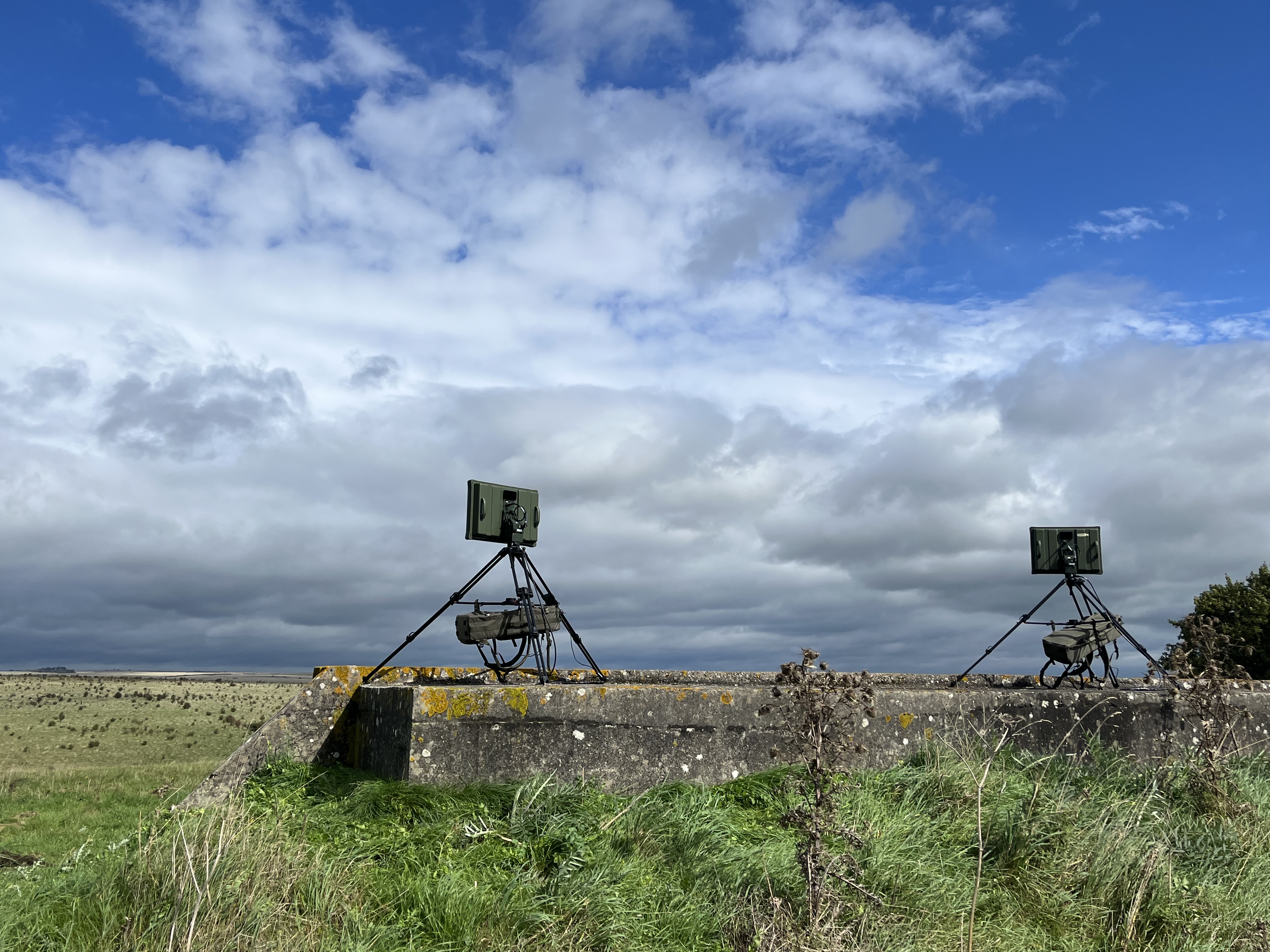
One of the most sophisticated instruments of modern battlefield reconnaissance is the PGSR-3i ‘Beagle’, an ultra-lightweight, man-portable radar system. Our primary composite solution, developed for Propatria, is based on a specialised Glass/Carbon Hybrid RTM (Resin Transfer Moulding) technology, designed specifically for next-generation defence systems.
This manufacturing process successfully bridges the gap between extreme structural rigidity and perfect electromagnetic transparency (RF transmission). The excellence of the PGSR-3i ‘Beagle’ system is best demonstrated by the fact that it currently serves in the armed forces of 8 NATO member states and partner countries.
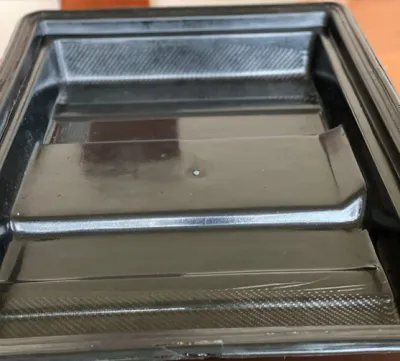
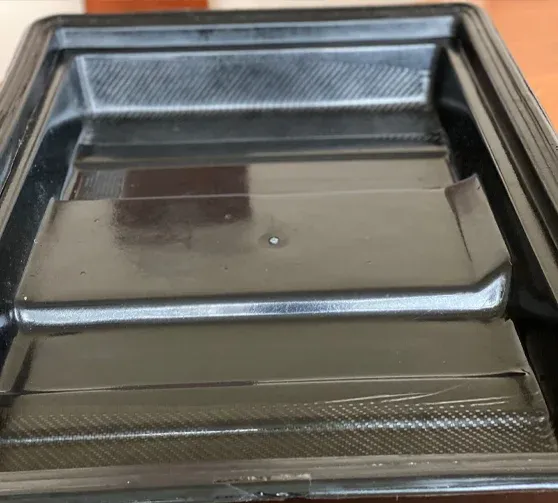
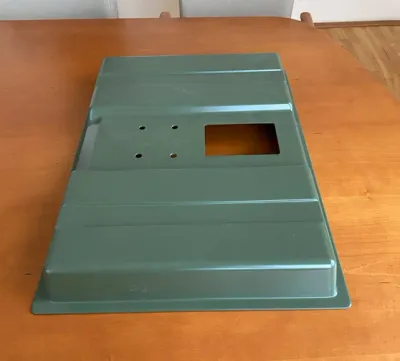
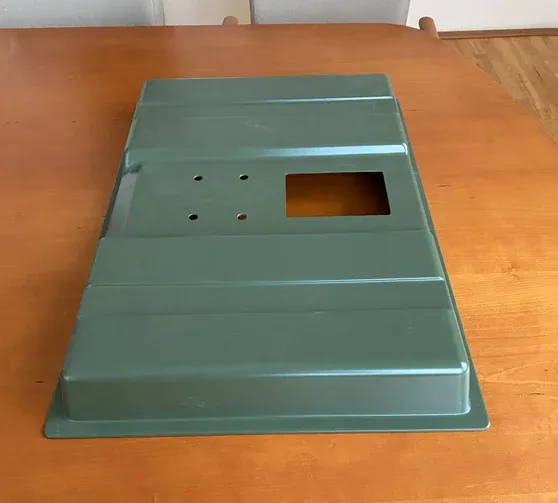
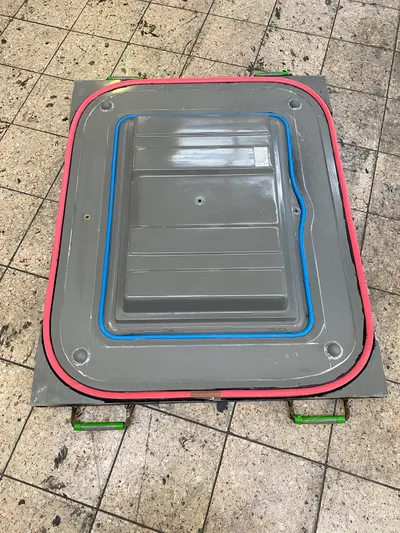
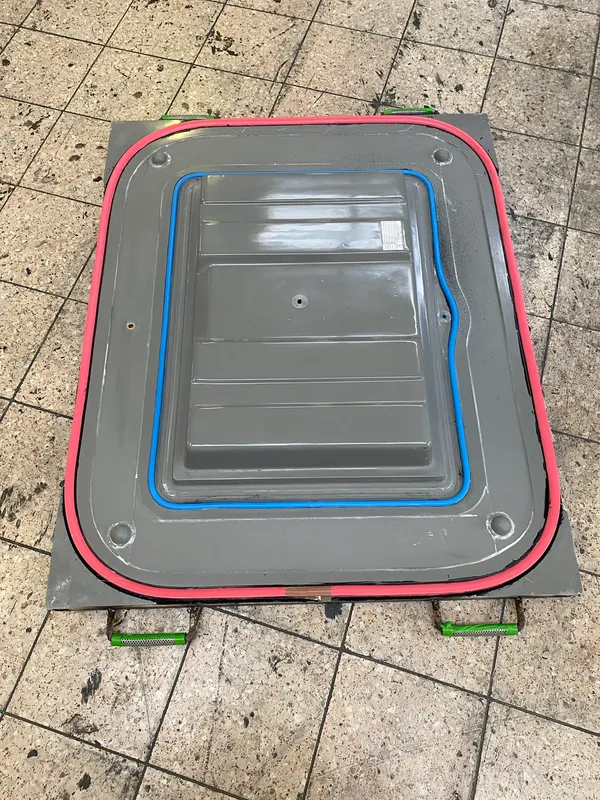
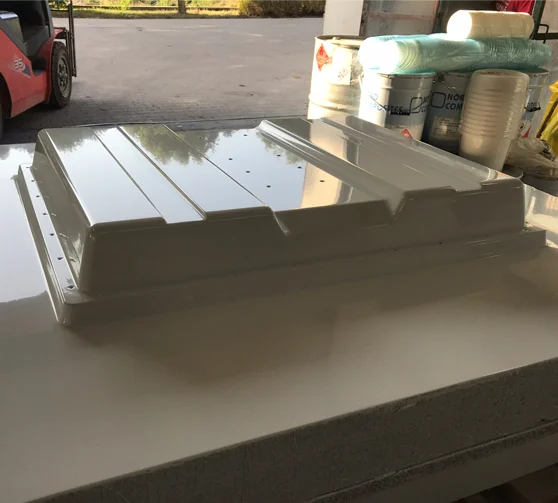
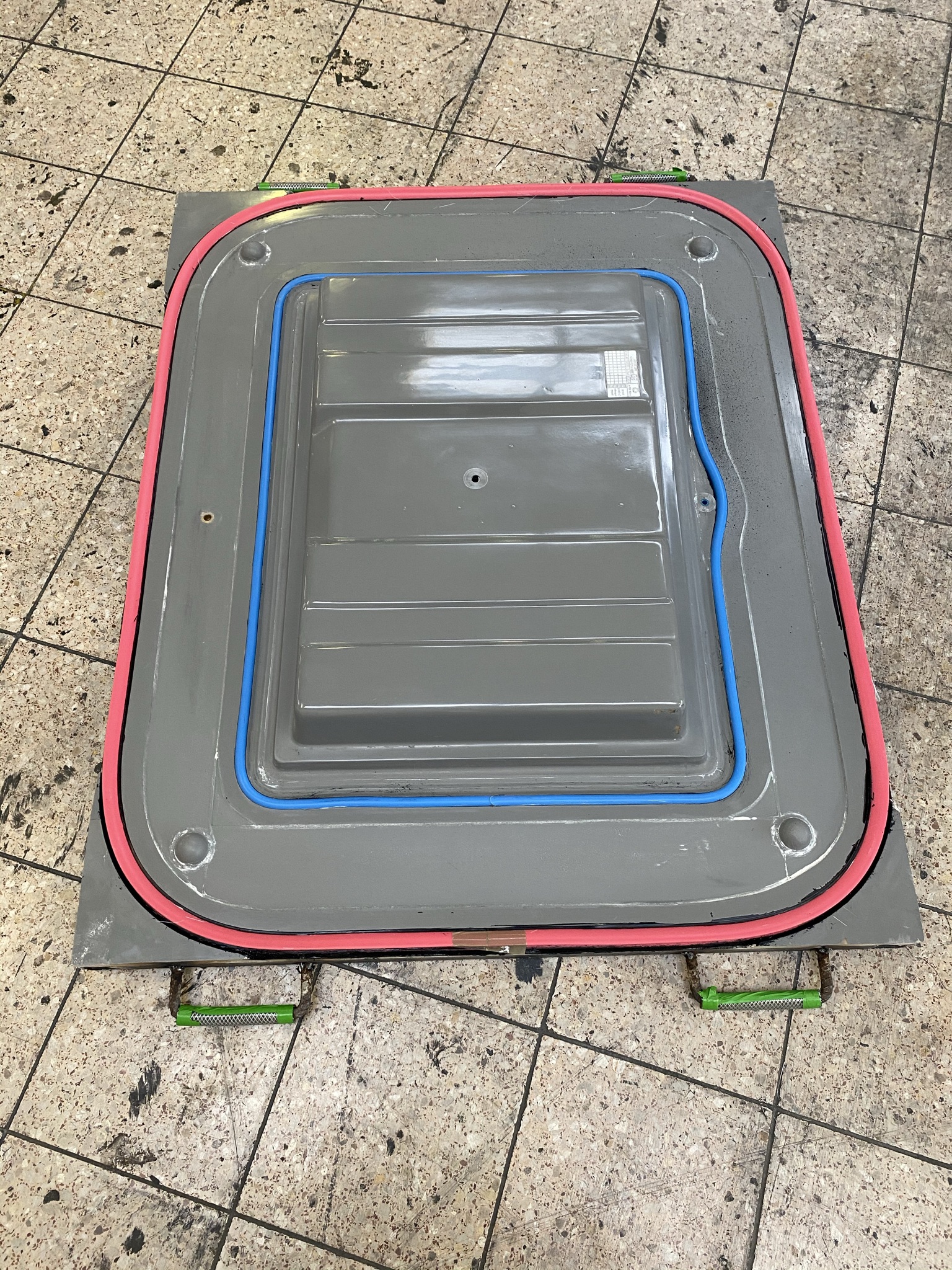
Selective Reinforcement and Precision Manufacturing
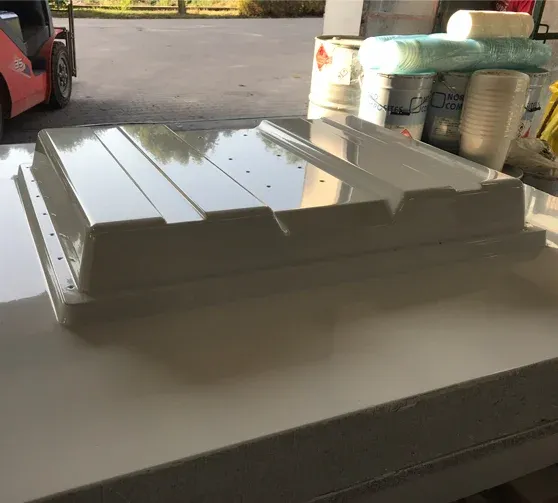
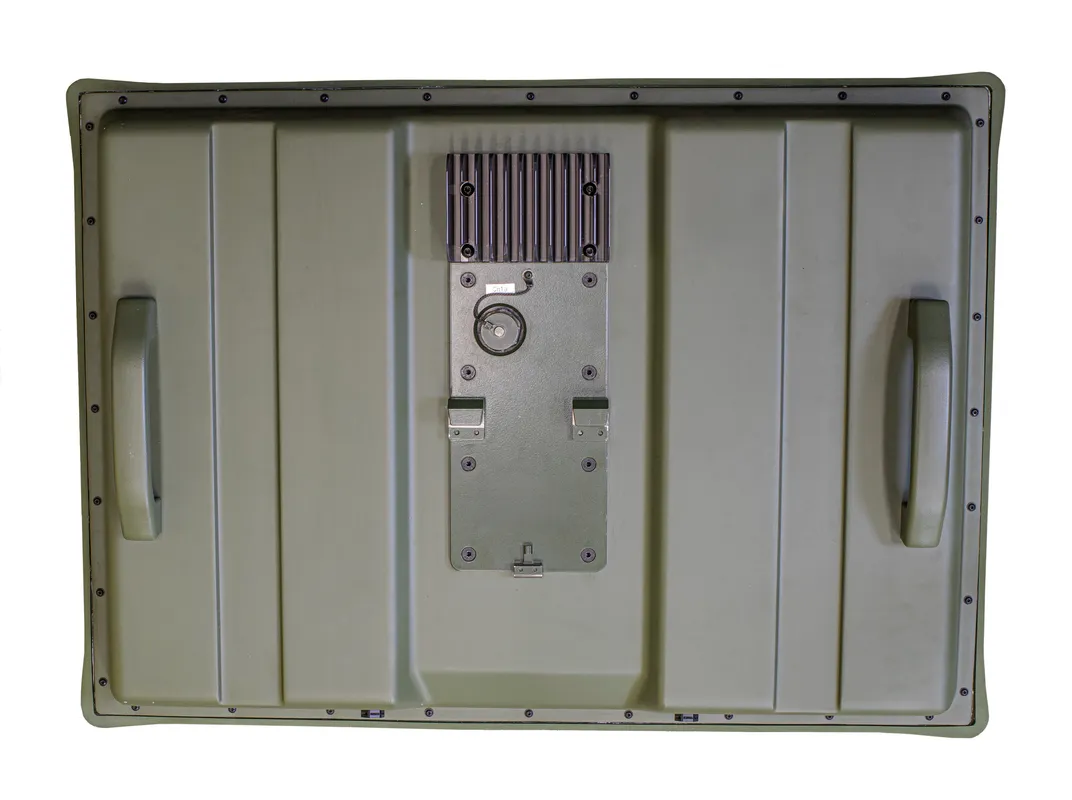
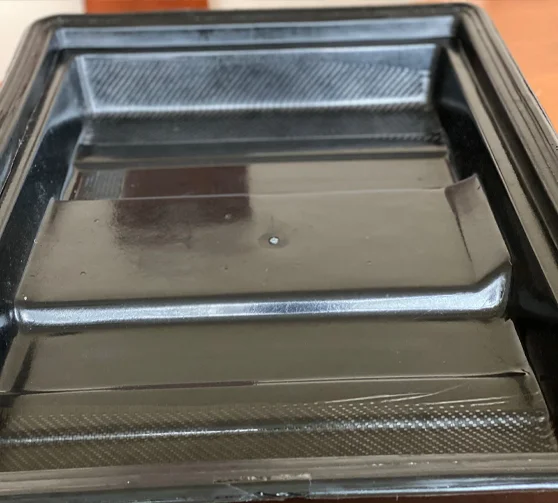
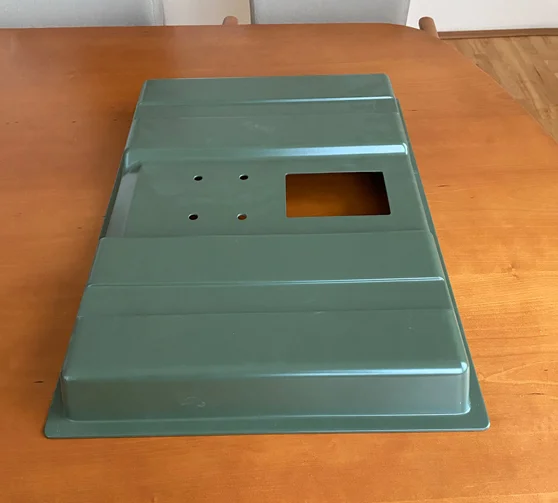
The primary challenge in designing the radar housing was minimising signal loss while ensuring the system withstands the harshest battlefield conditions. To achieve this, we employ precision injection (RTM): low-viscosity resin is injected into a closed mould system containing a pre-positioned glass and carbon fibre architecture aligned to millimetre accuracy.
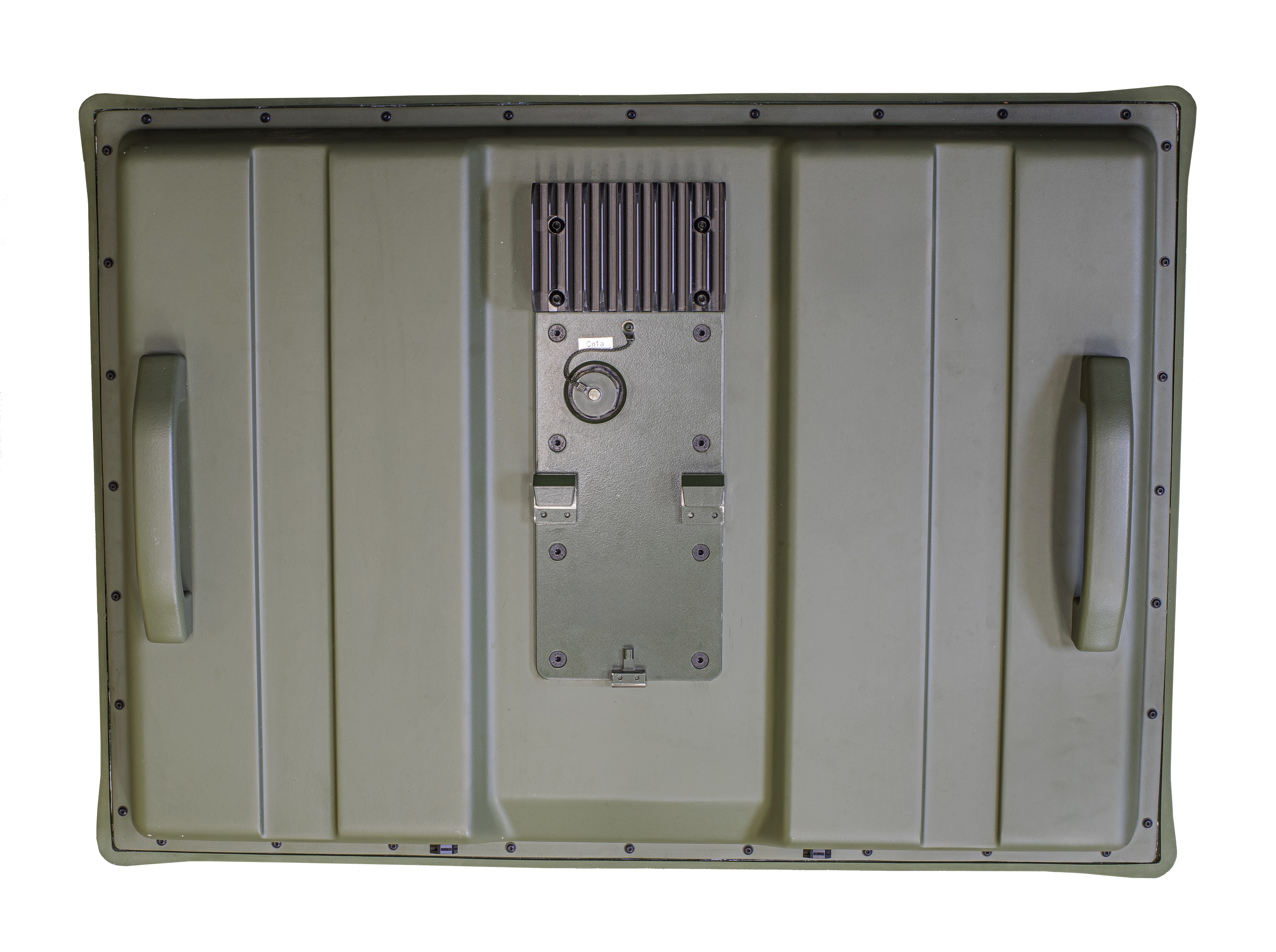
The heart of the structure is selective reinforcement. Carbon fibres provide the high-modulus, extremely rigid “skeleton” at critical structural connection points. In parallel, glass fibres are applied exclusively in the “RF window” zones, guaranteeing zero signal interference. Thanks to this innovative material pairing, the radar operates with high RF transparency (less than 0.5 dB signal loss), which is essential for pinpoint detection and identification of ground-level or near-ground targets.
Battle-Proven Durability
The PGSR-3i ‘Beagle’ housing was designed for the most extreme tactical conditions. The system’s tactical mobility is outstanding: the minimal weight of the housing allows the radar to remain fully man-portable, optimised for a two-person crew and transportable in standard backpacks.
Extreme durability is also guaranteed by NATO AQAP certification. The housing boasts over 20 years of UV resistance and maintains its structural and transmission capabilities across a temperature range from -40°C to +70°C. Sensitive electronics housed inside are protected from desert sand, tropical humidity, or freezing weather by specialised moisture sealing solutions.
One of the greatest advantages of the closed-mould (RTM) process is controlled consistency. The technology ensures 100% repeatability in wall thickness and fibre-to-resin ratio for every single produced unit. This micron-level precision is essential for consistent radar calibration and reliable battlefield performance.