

DiaCare-3 – An Intelligent Modular Solution for Premium Patient Care
The DiaCare-3 therapy chair is Digiterm’s answer to the highest expectations of the modern clinical environment. It combines contemporary aesthetics with maximum patient comfort and easy maintenance. An ideal choice for dialysis and infusion therapies.
Key Technical Advantages
- Corrosion-resistant frame: The self-supporting composite (glass-fibre) chassis is completely steel-free, eliminating the corrosion risk inherent in dialysis environments and making cleaning easier.
- Precision positioning: In addition to the 4 base motors (backrest, seat tilt, leg rest, height), an optional electric leg rest is available for full customisation.
- Safety first: Compliant with the strictest MDR (2017/745) directives. The 14° Trendelenburg position and fully flat bed position are accessible at the push of a single button.
Patient Experience & Comfort
- “At home at the doctor’s”: Friendly colours, an integrated icon lamp and designer upholstery help ease anxiety during treatments.
- DuoShape upholstery: Special blood- and urine-resistant synthetic leather that is quickly removable and disinfectable, guaranteeing hygiene.
- Comfort extras: Integrated USB charger for mobile devices and multi-directional, fold-up armrests.
Technical Specifications at a Glance
- Load capacity: 200 kg
- Lift range: 55–77 cm
- Controls: 13-button, fluid-resistant (IP67) handset plus optional foot switches.
- Safety features: Battery backup with audible alarm, emergency stop button on the backrest.
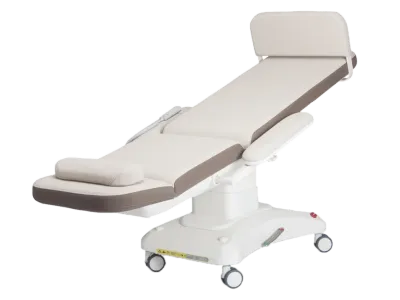
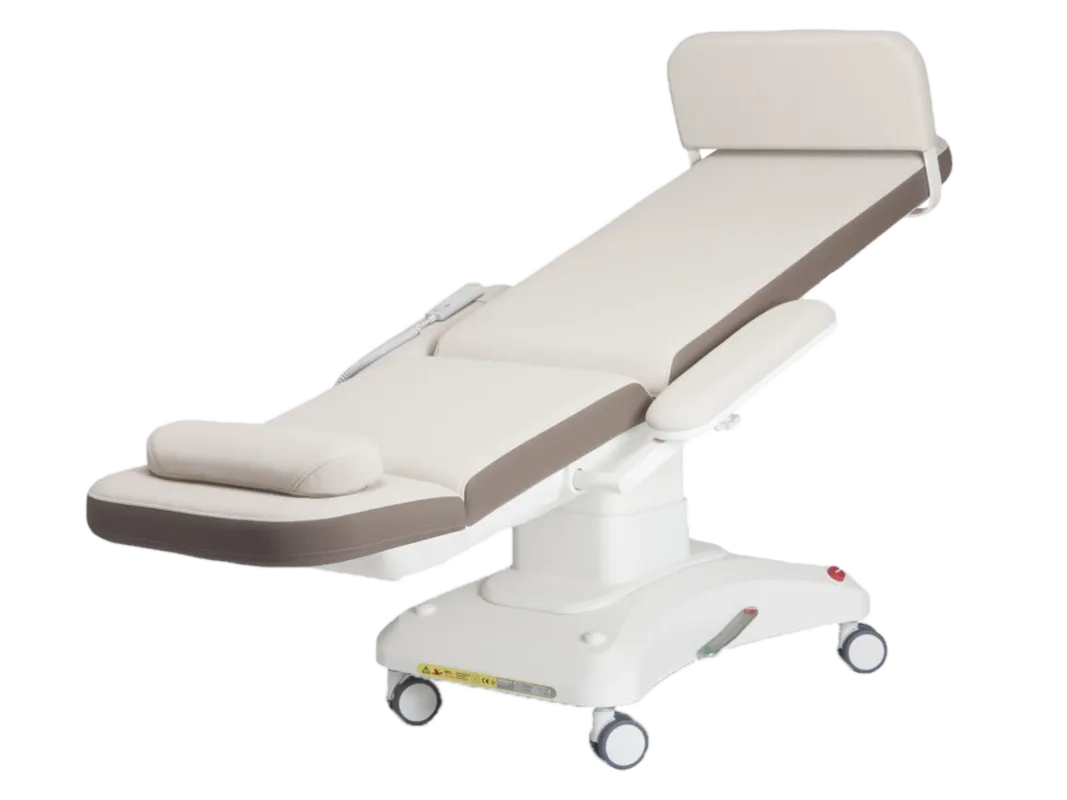
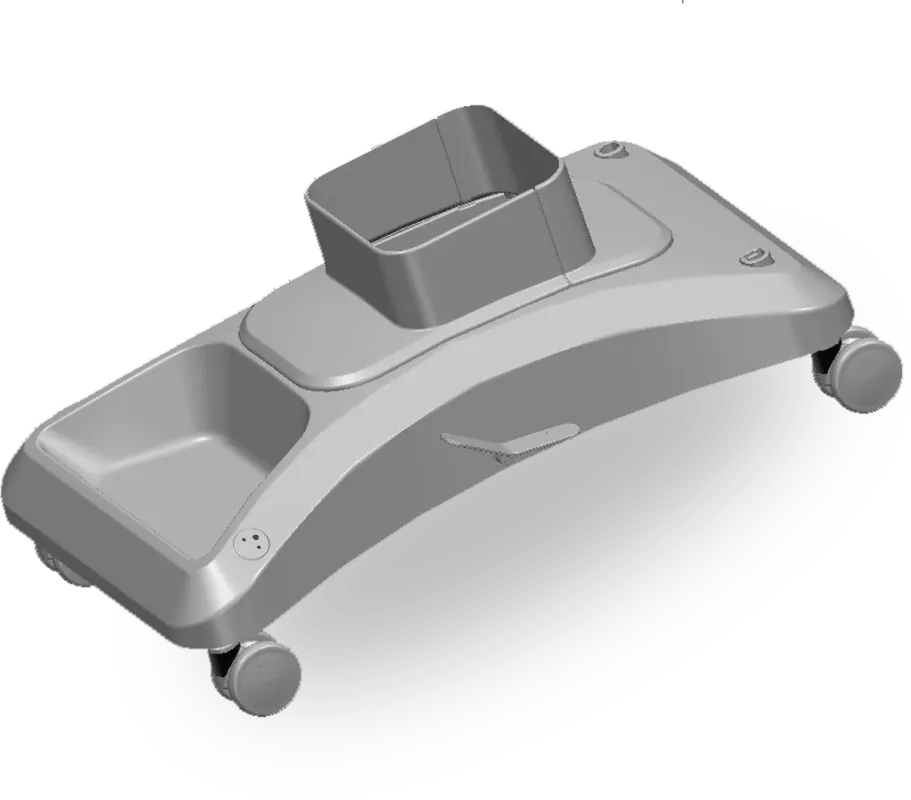
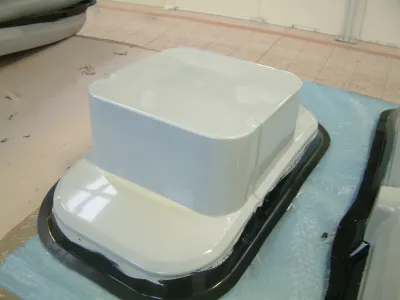
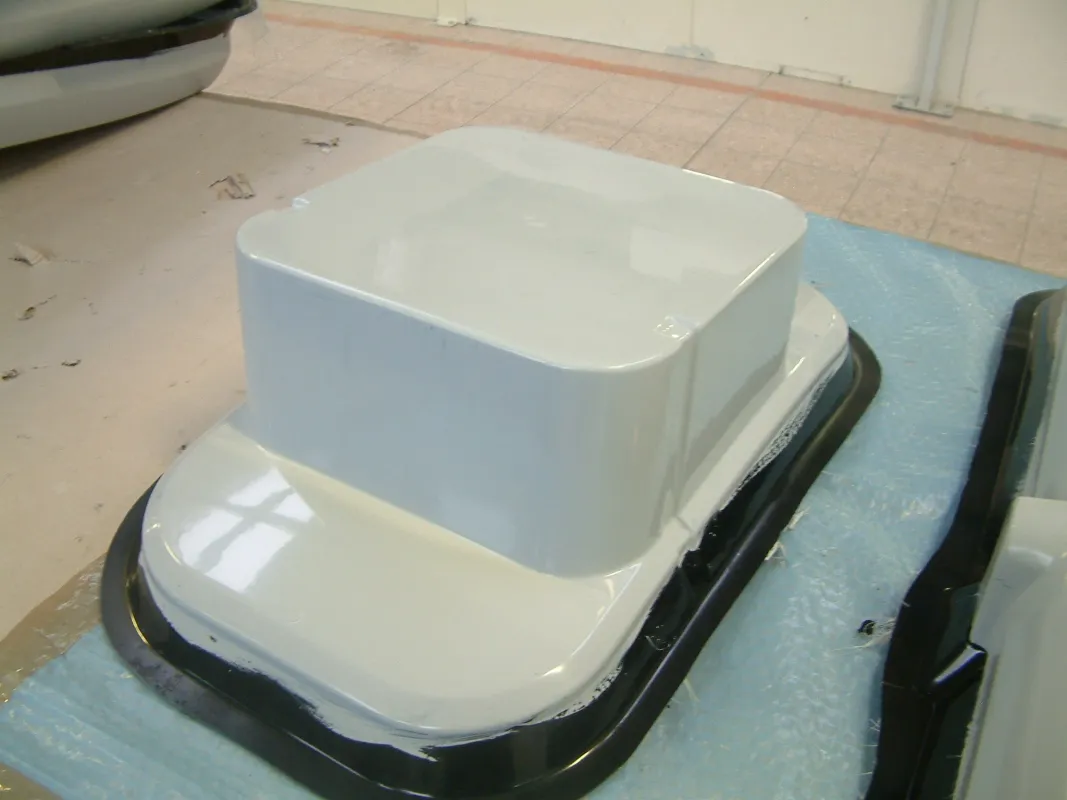
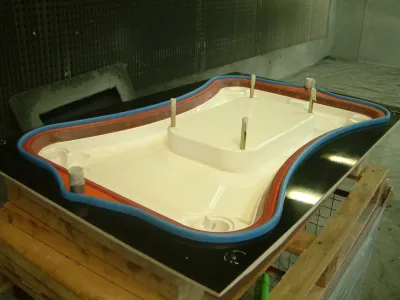
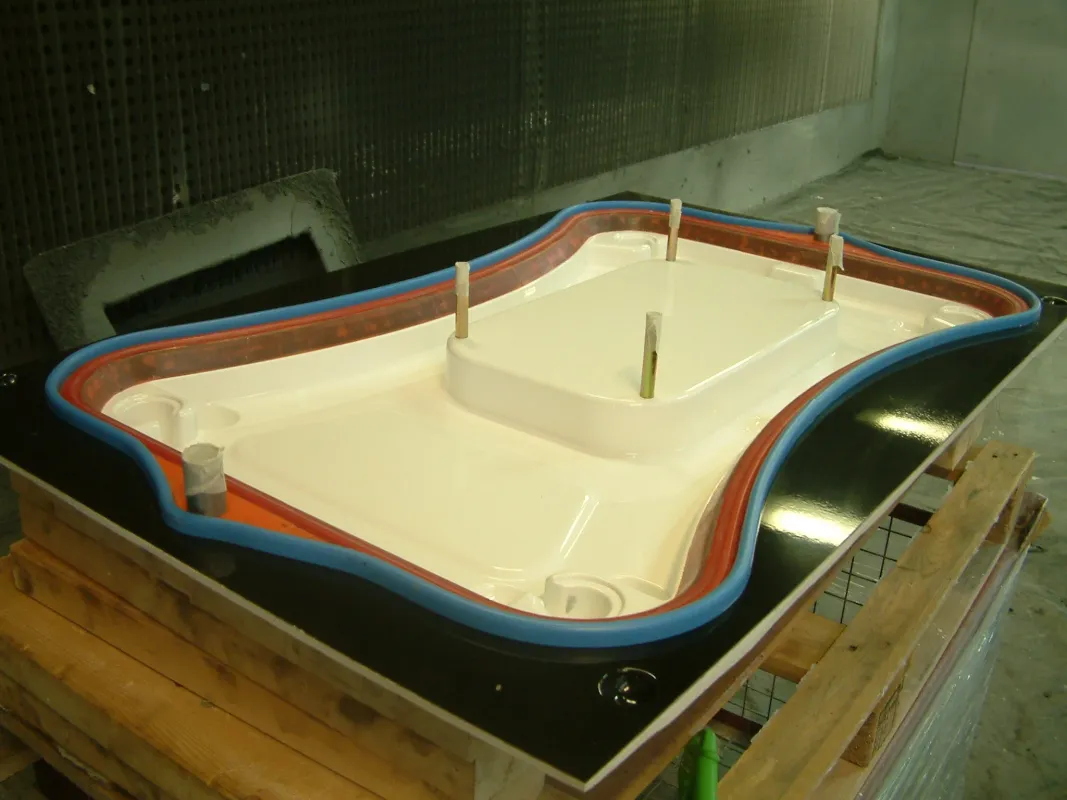
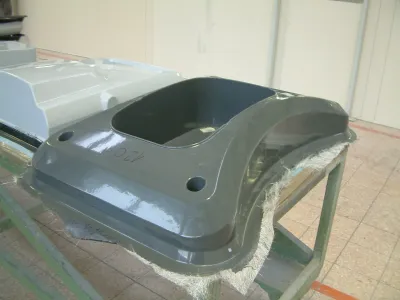
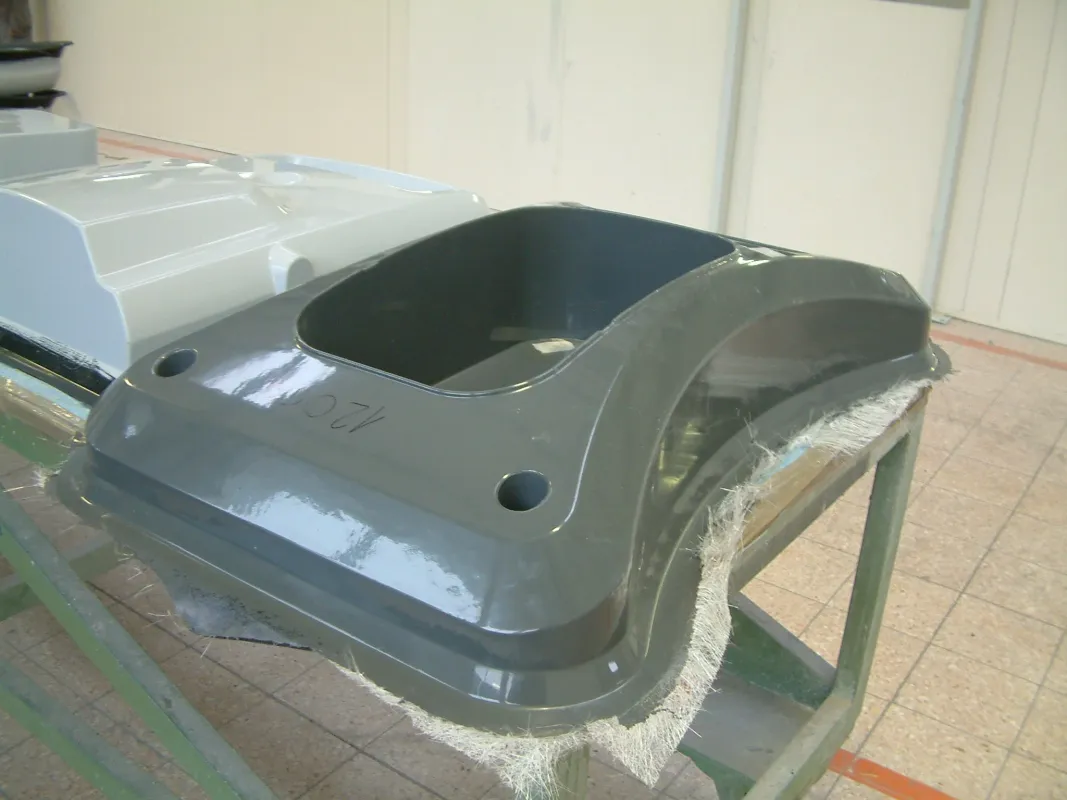
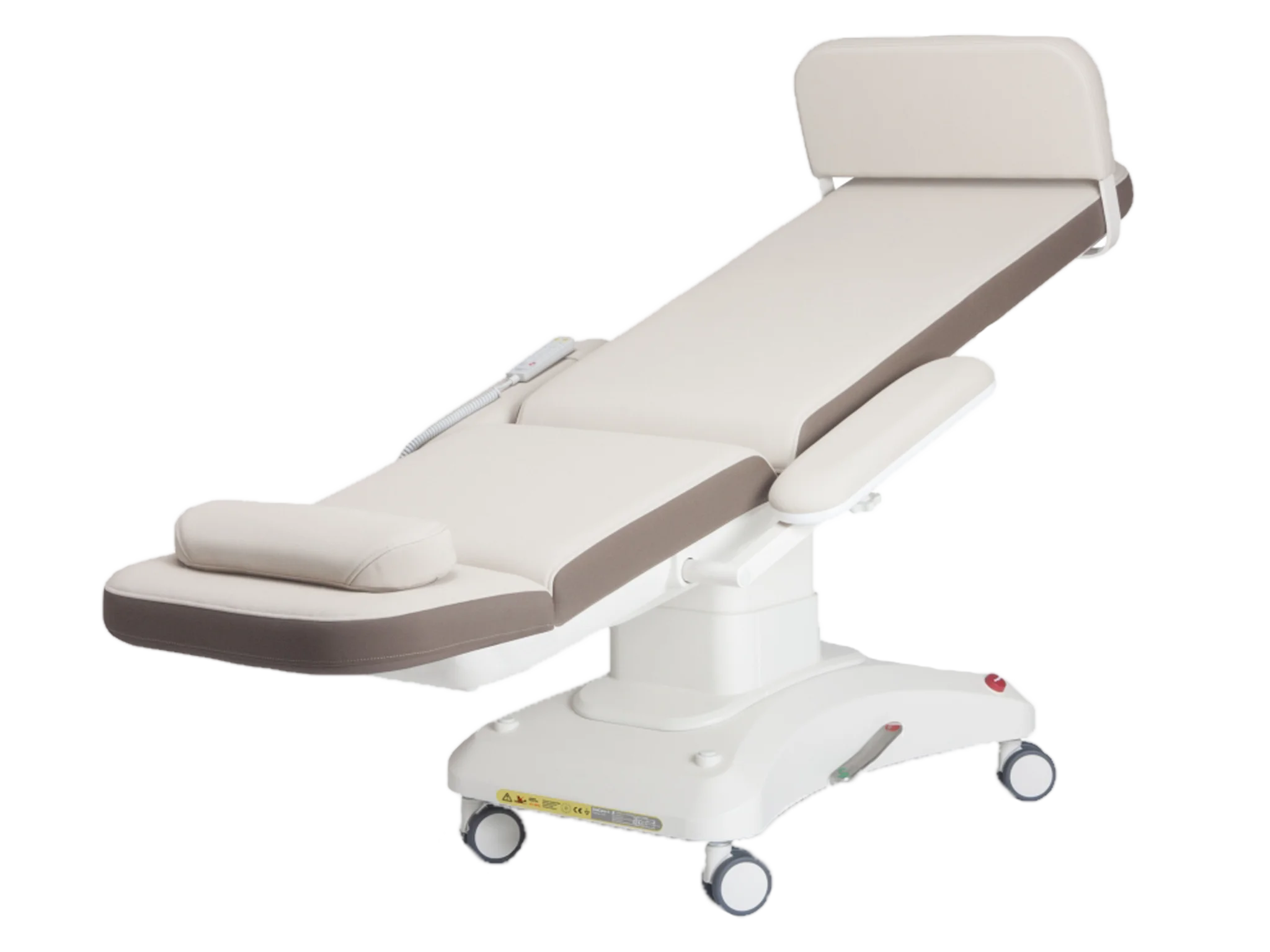
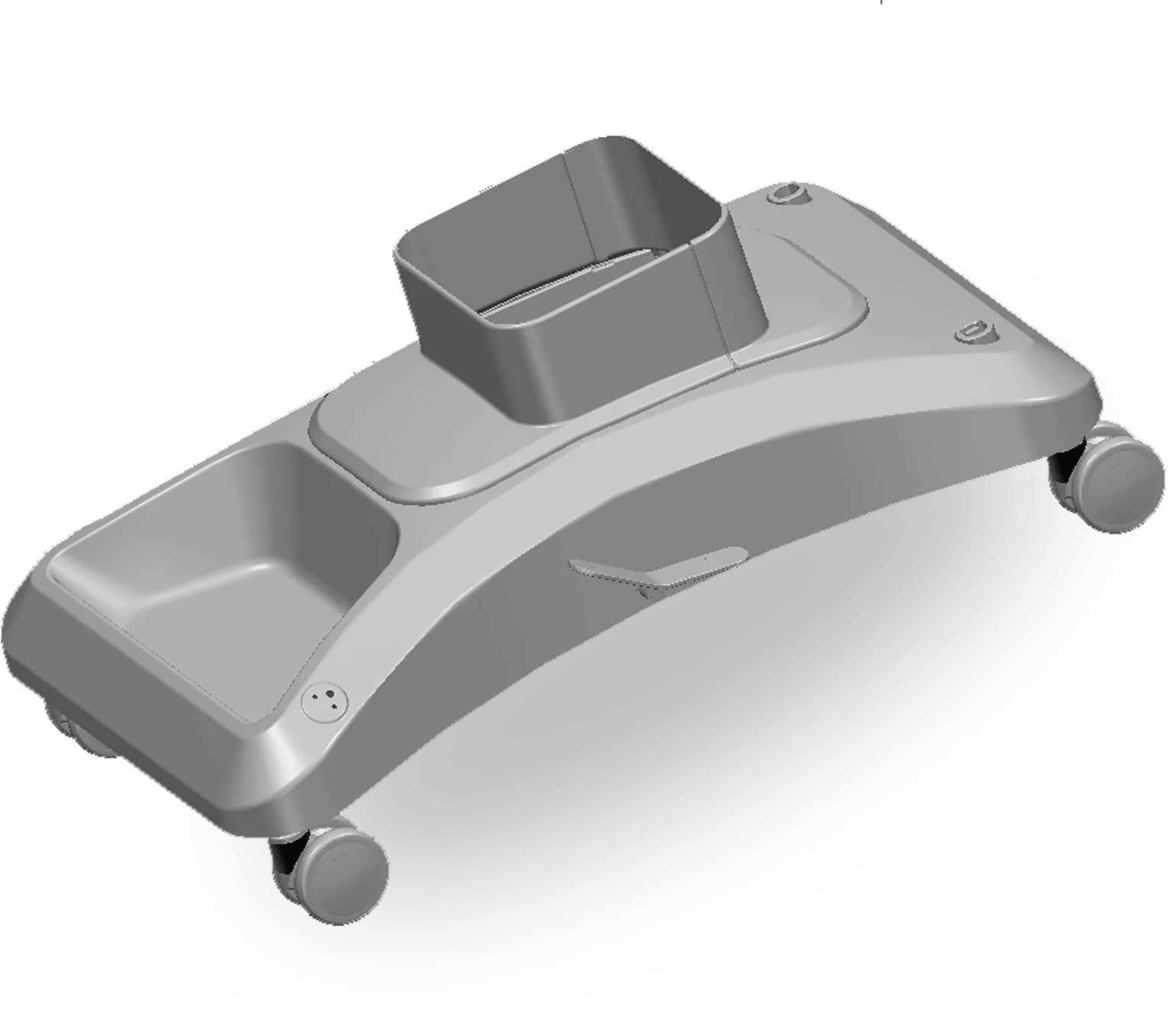
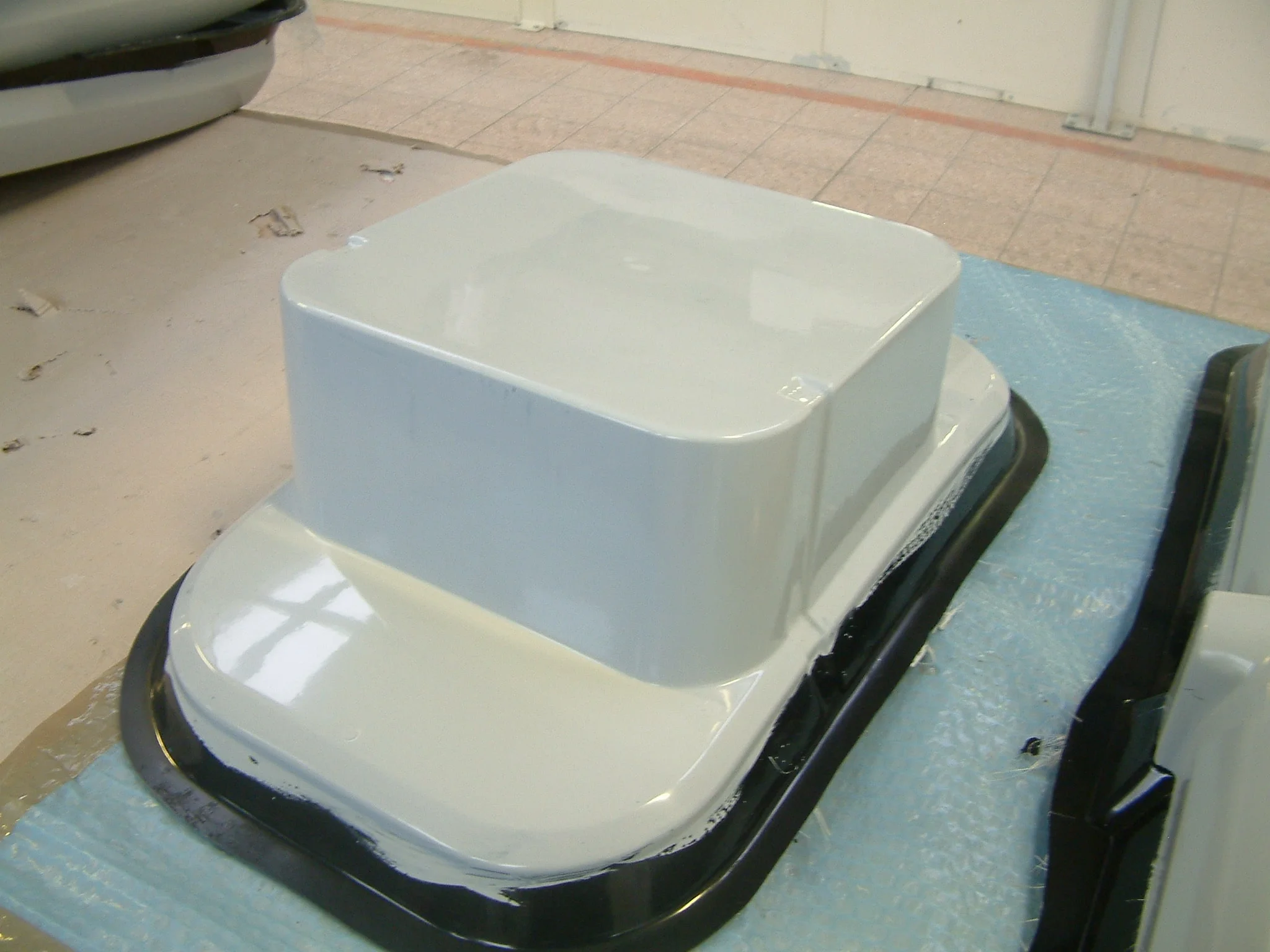
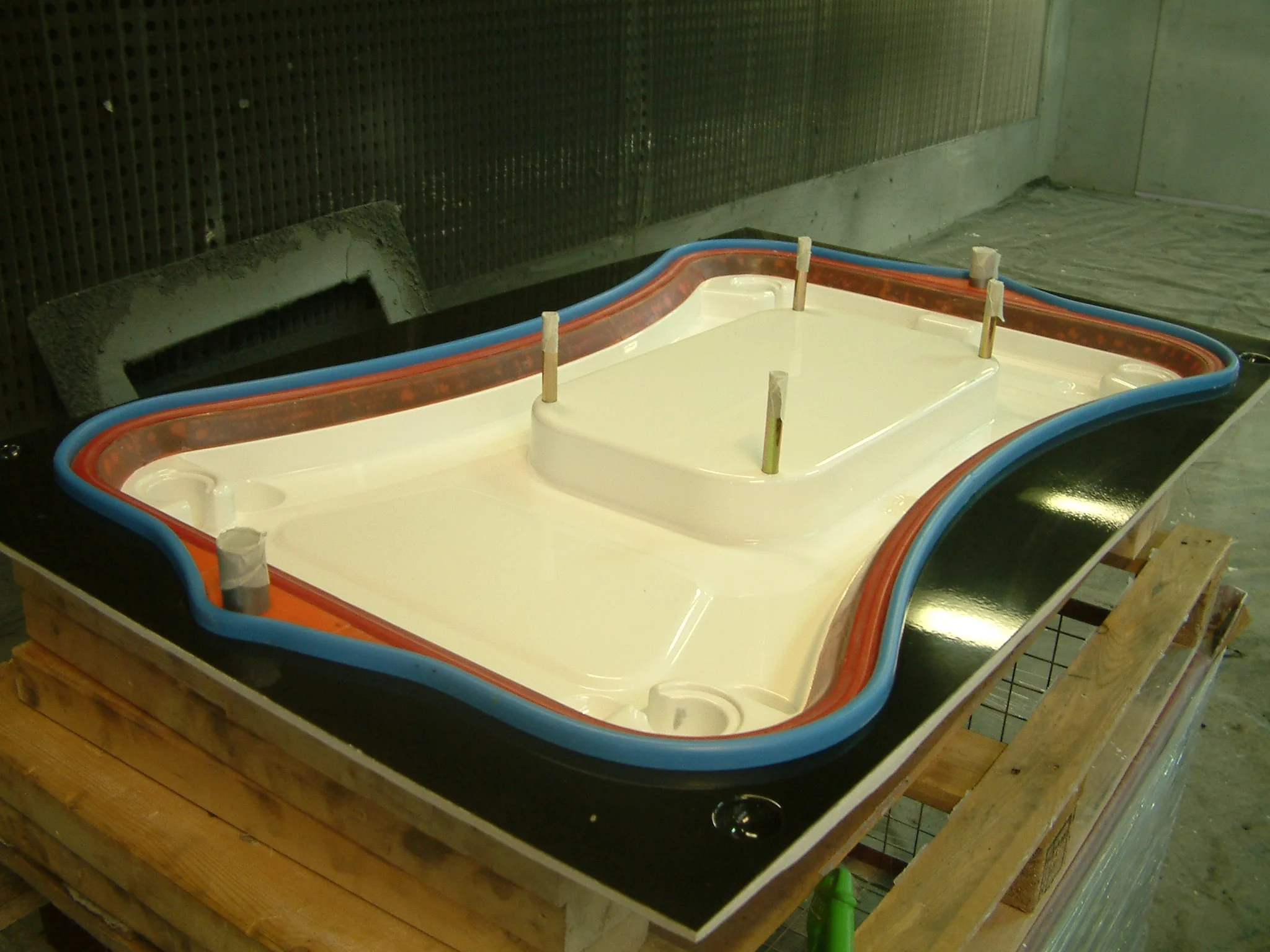
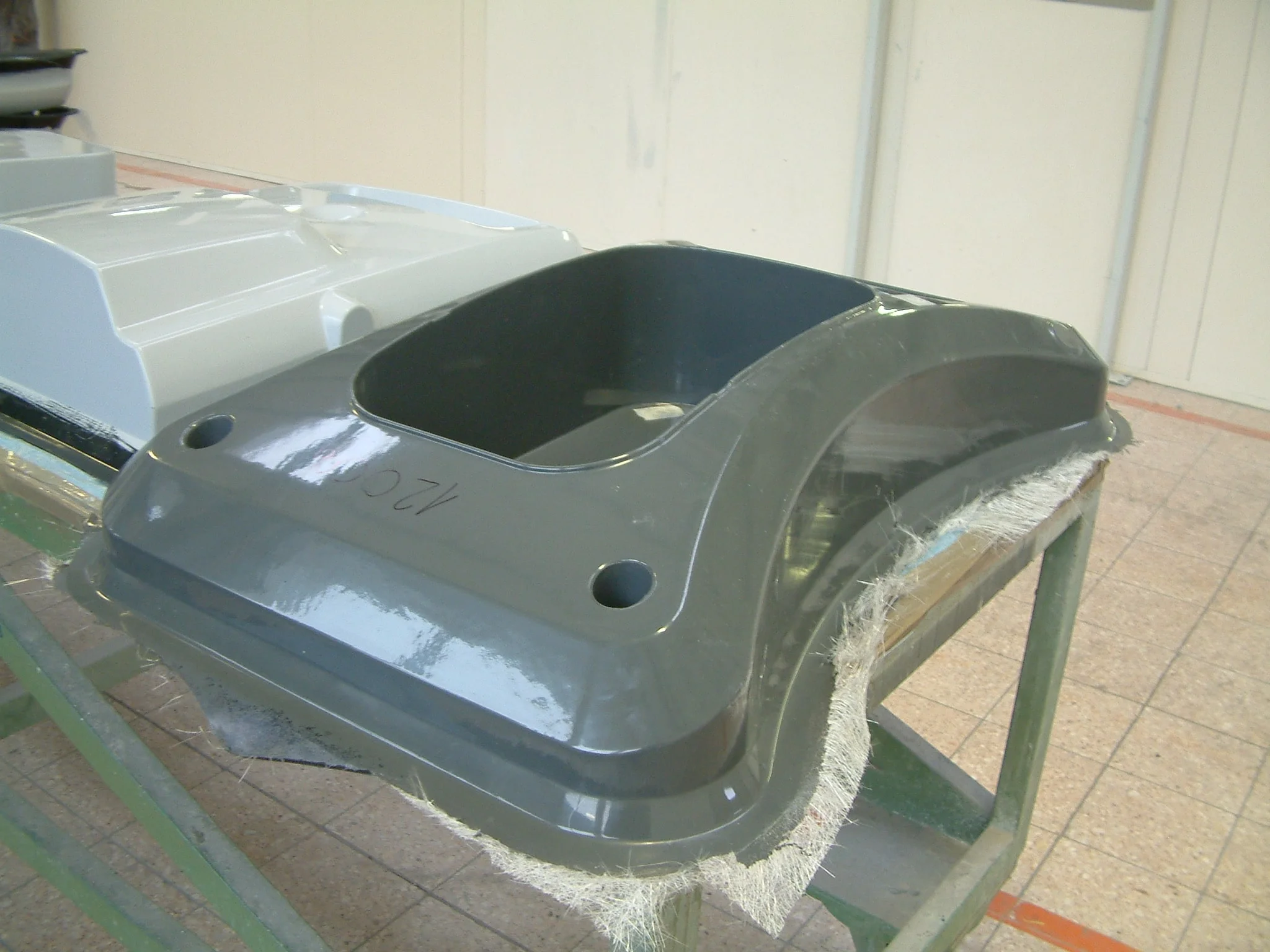
Composite Frame Development for a Medical Device
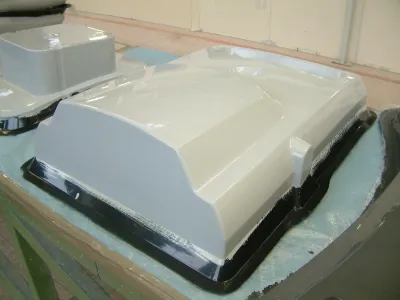
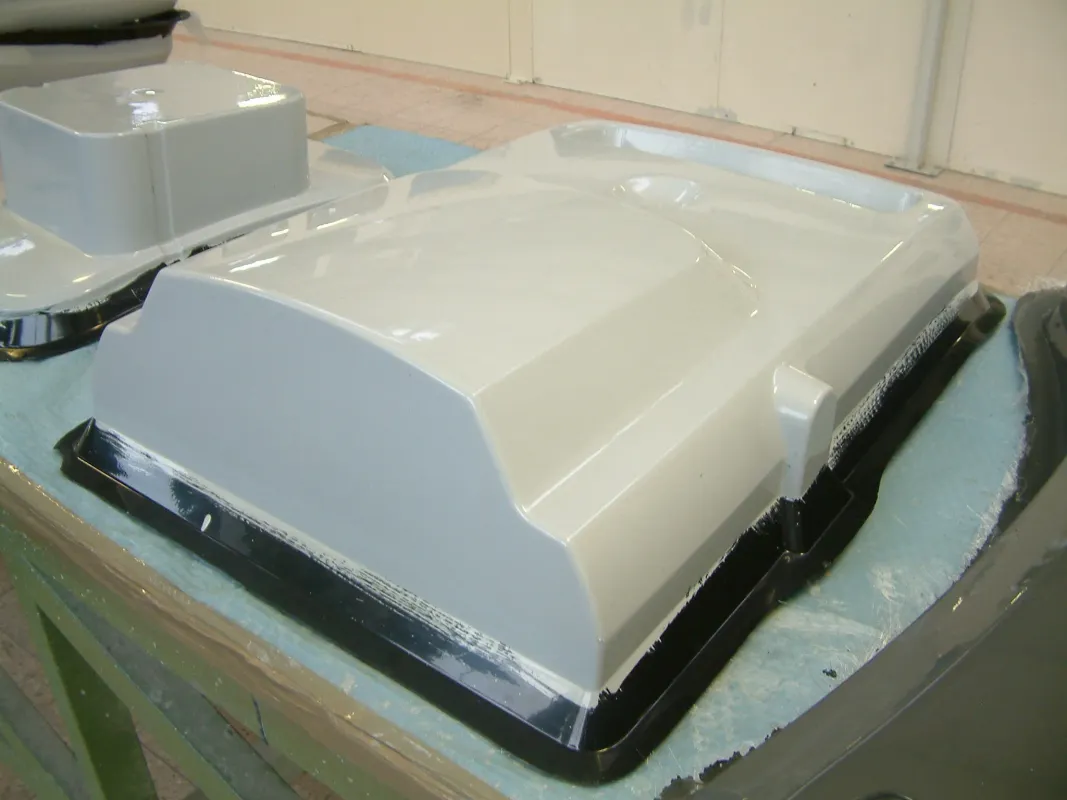
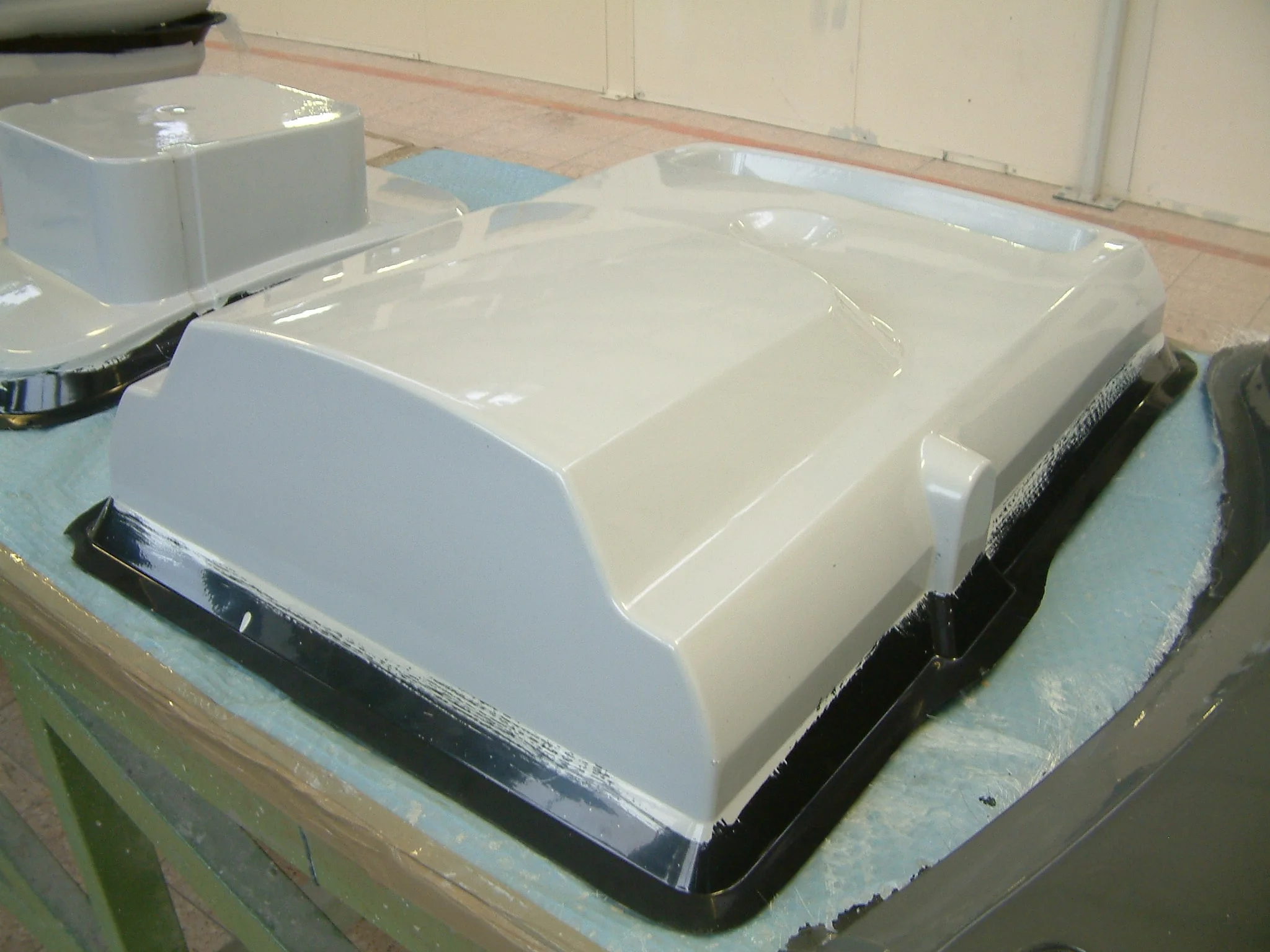
The DiaCare-3 therapy chair developed for Digiterm Ltd. represents the meeting point of industrial design and advanced composite technology. The task was to create a self-supporting chassis and panel system that replaces traditional steel structures in the specialised healthcare environment.
Technical Solutions & Manufacturing Advantages
- Innovative metal replacement: The chassis is made entirely from high-strength glass-fibre-reinforced composite. This not only saved weight but also provides full structural stability at 200 kg load capacity.
- Zero corrosion – Longer service life: The aggressive fluids used during dialysis treatments (blood, disinfectants, saline solutions) attack steel frames over time. The composite structure is inherently 100% corrosion-resistant, significantly extending product life.
- Integrated functional design: Composite technology enabled the creation of streamlined, ergonomic forms that would only be achievable in metal through complex and costly welding/bending processes. The central brake system and motorised adjustment mounting points are integrated into the frame.
- Hygiene & surface treatment: The pore-free composite surface (gelcoat) resists hospital disinfectants. Rounded edges and a joint-free design minimise bacteria colonisation, meeting the strictest MDR (Medical Device Regulation) requirements.
Manufacturing Value
- Base material: Glass-fibre-reinforced composite (GFRP)
- Key features: Self-supporting frame, integrated cable channels, IPX6-supporting design.
- Result: An aesthetically attractive, easy-to-clean and structurally indestructible medical device that stands out in the market from conventional metal-frame solutions.
Case Study: Light RTM-Manufactured Medical Chair Frame
Manufacturing Challenge
Series production of a complex-geometry, high-load-capacity chassis and panel system that replaces heavy steel frames, withstands dynamic loading and meets the aesthetic expectations of a sterile medical environment.
Applied Technology: Light RTM (Resin Transfer Moulding)
Light RTM was chosen as a closed-mould technology that guarantees:
- Dimensionally accurate surfaces on both sides: Clean, smooth surfaces on both outer and inner sides, essential for the precise fitting of moving parts and motors.
- Reproducibility: Consistent wall thickness and uniform quality at lower cycle times.
- Environmentally friendly production: The closed system minimises styrene emissions during lamination.
Structural Innovation: Profiled PUR Sandwich Core
Frame rigidity was achieved not by increasing wall thickness but by integrating a profiled rigid PUR (polyurethane) foam core.
- Weight-to-stiffness ratio: Thanks to the sandwich structure, the chassis remained extremely light while meeting the 200 kg patient load statically and dynamically.
- Complex geometry: The PUR core was pre-shaped, providing targeted reinforcement at critical points (e.g. motor mounts, brake system connections) while avoiding the need for additional steel inserts.
- Sound absorption & insulation: The sandwich core dampens motor operating noise, contributing to patient comfort.
Result
A corrosion-resistant, self-supporting composite frame that far surpasses conventional metal-frame solutions in durability and hygiene. The technology enabled Digiterm Ltd. to launch a premium-class, internationally competitive medical device onto the market.
Composite Metal Replacement & Technological Optimisation
Development and series production of a self-supporting composite chassis for Digiterm Ltd.’s flagship product – one that radically breaks with the limitations of traditional steel structures.
Development & In-House Tooling
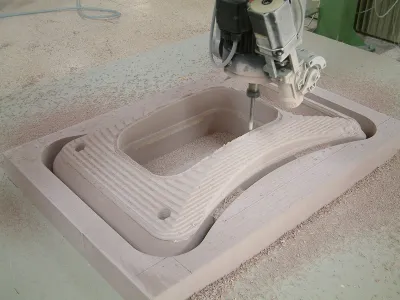
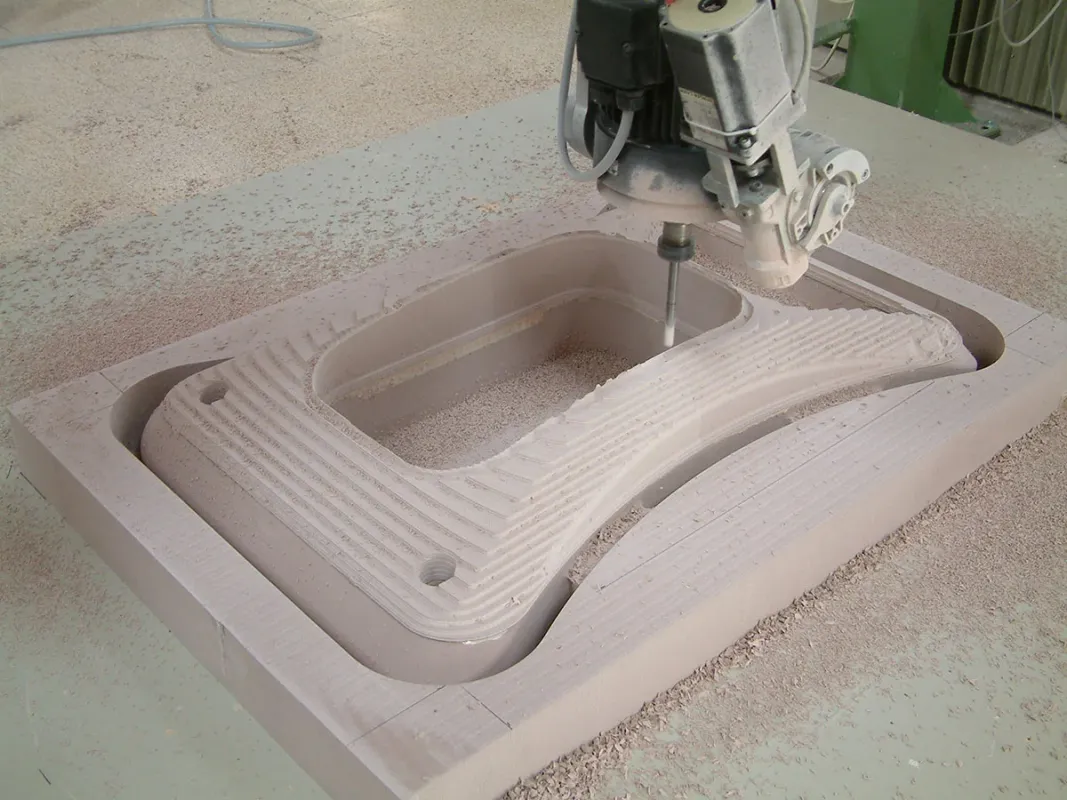
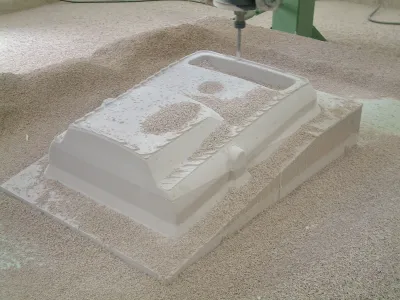
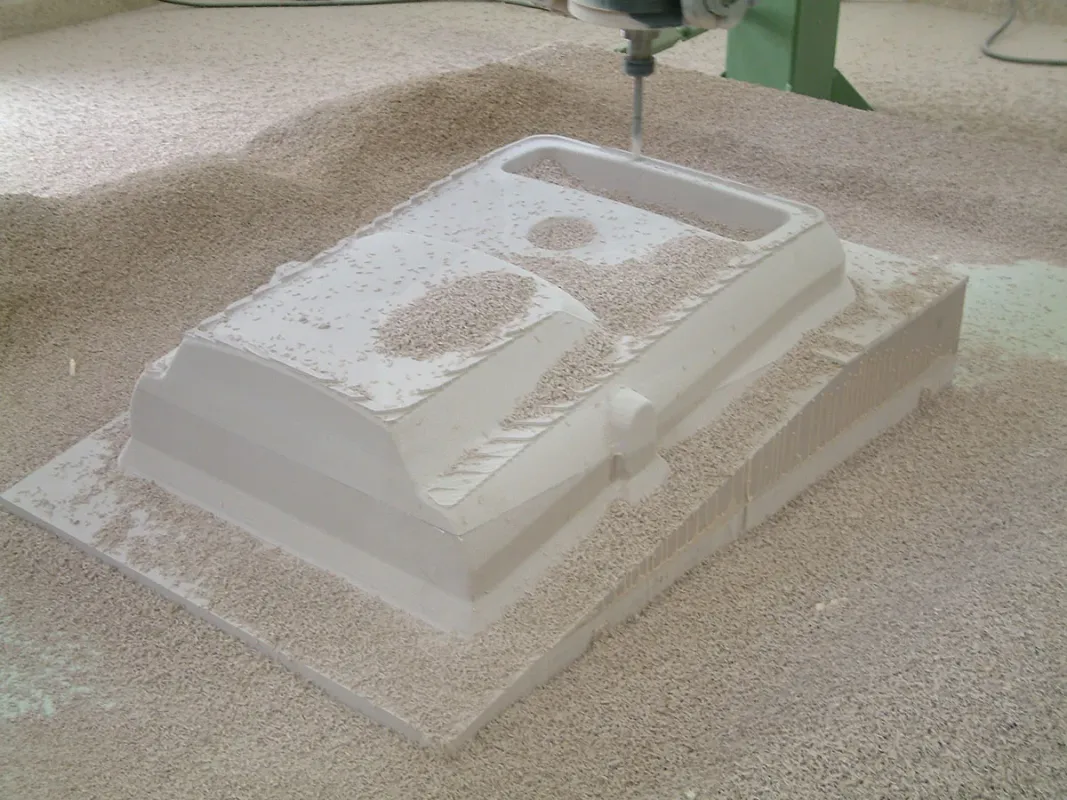
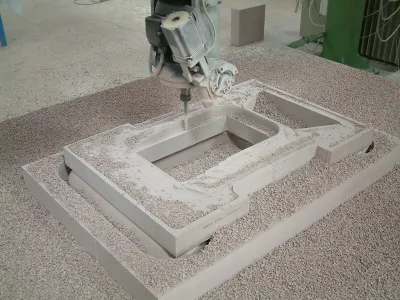
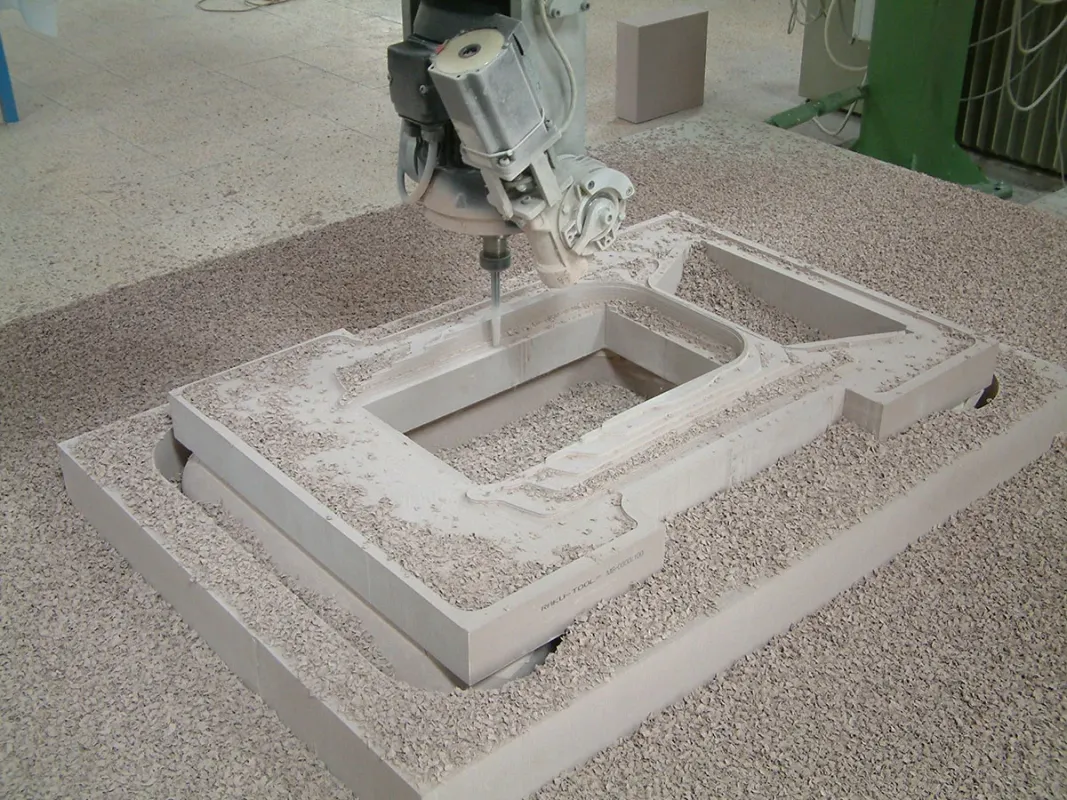
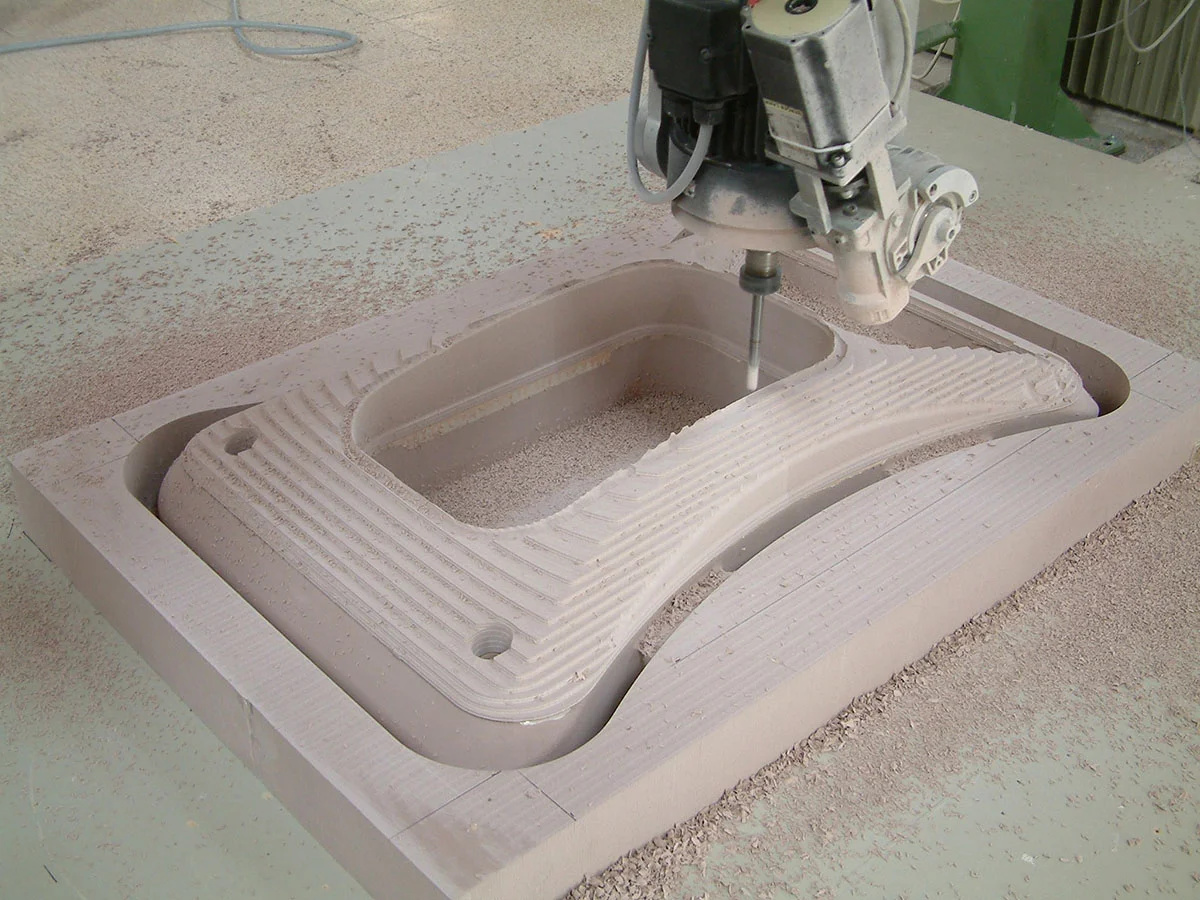
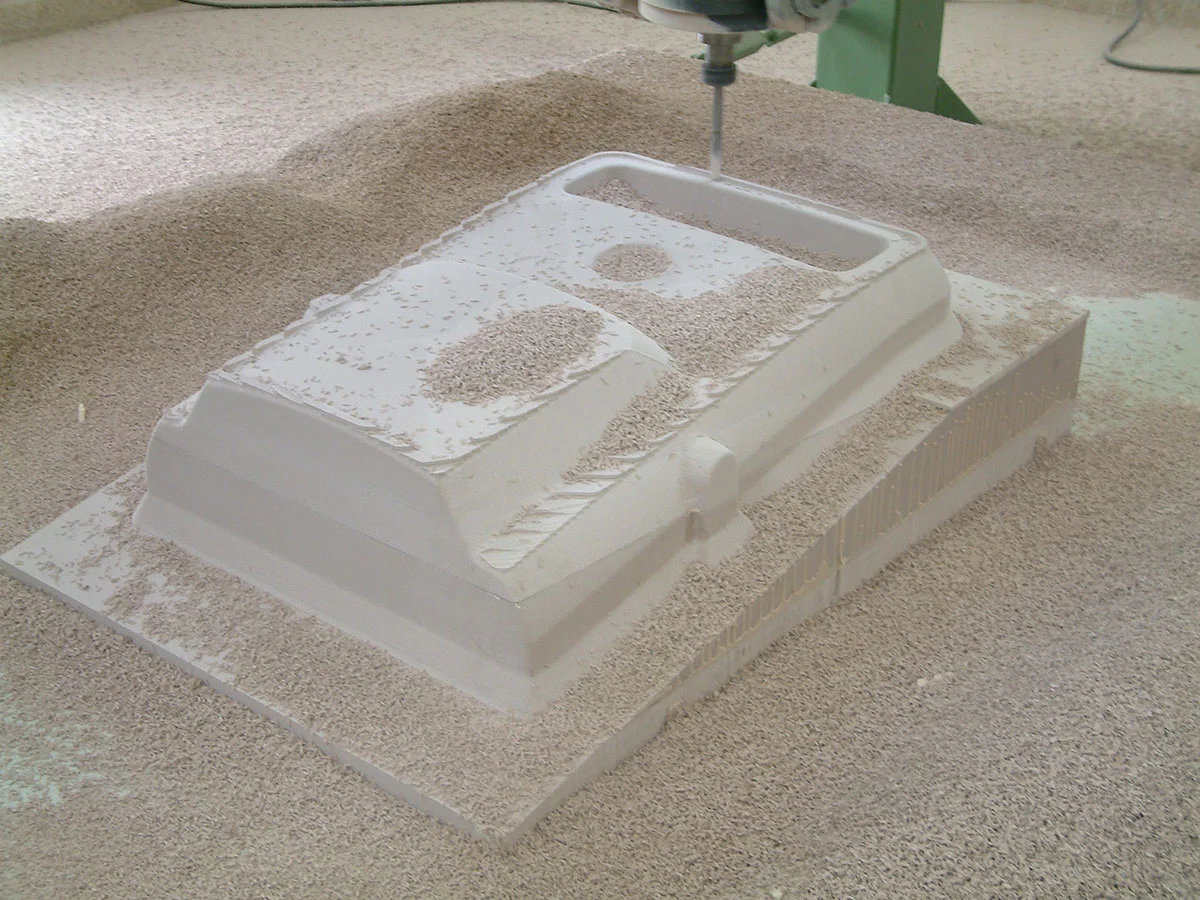
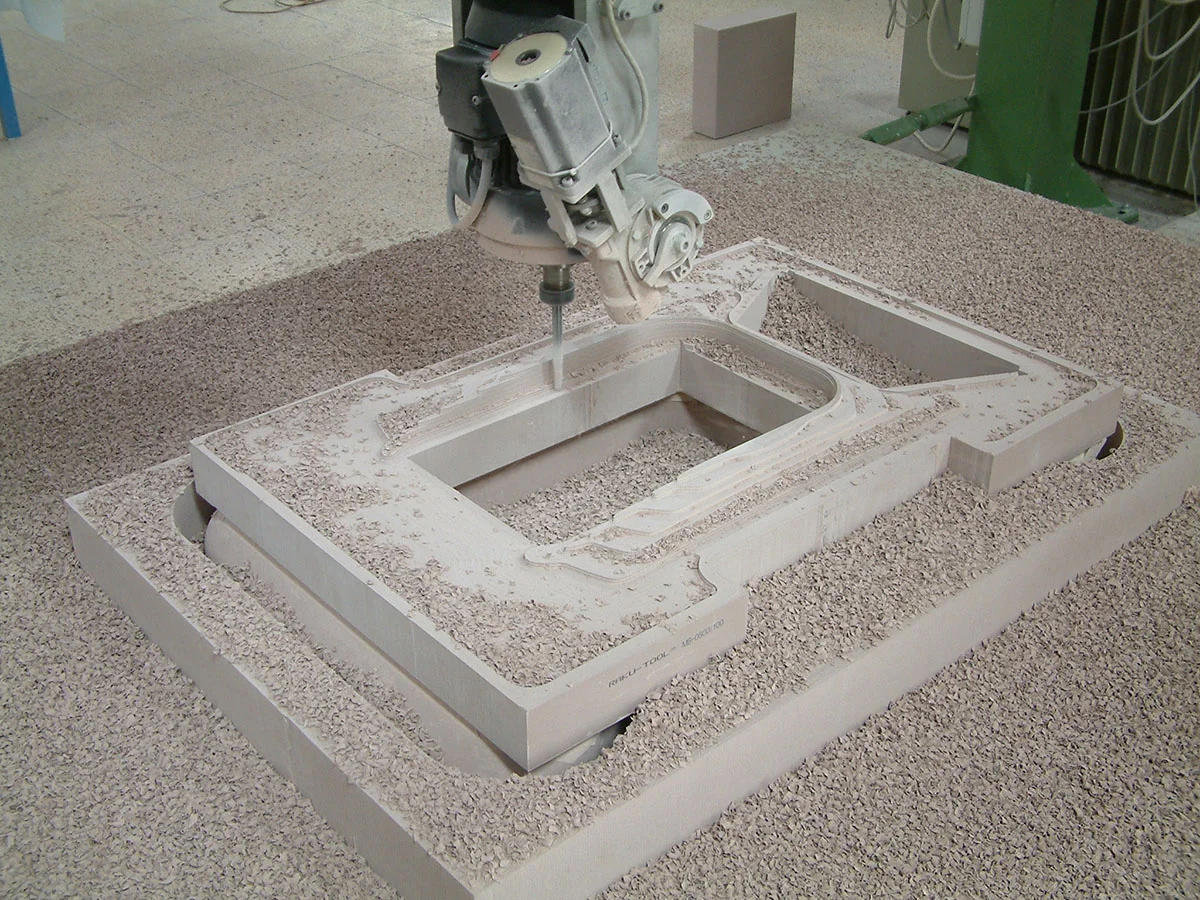
The project began with the production of proprietary Light RTM tools. This allowed us to:
- Optimise the mould split and complex geometry (e.g. integrated motor-mounting points) already at the tool-design stage.
- Guarantee sub-millimetre fitting accuracy with accessory units throughout series production.
Applied Technology: Light RTM & PUR Sandwich Core
Structural rigidity was achieved by integrating a profiled rigid PUR foam core. This sandwich structure ensures frame stability while weighing a fraction of steel.
- Weight saving: Over 30% mass reduction versus the previous metal-frame construction, significantly easing chair handling and transport.
- Dynamic load capacity: The composite-PUR sandwich excellently absorbs vibrations and guarantees a long fatigue-free service life under 200 kg operating load.
Special Surface Treatment: Textured Paint
Instead of conventional gelcoat, premium textured paint was applied to surfaces per customer requirements.
- Aesthetics & function: The matt, textured surface gives the chair a more modern appearance and is less reflective under clinical lights.
- Durability: This coating has excellent scratch resistance and does not show fingerprints, while fully resisting aggressive hospital disinfectants.
Manufacturing Advantages Summary
- 100% corrosion resistance: No rusting parts, even in humid or aggressive chemical environments.
- Integrated design: Ergonomic curves and closed forms impossible to achieve with metal technology.
- Cost-effective series production: In-house tooling and Light RTM technology create an optimal balance between quality and unit cost.
Project Summary: DiaCare-3 Medical Frame System
During the manufacture of the Digiterm DiaCare-3 therapy chair frame system, traditional steel structures were replaced with a modern, self-supporting composite solution. The project illustrates how high-strength industrial production can be combined with premium aesthetic expectations.
Technology Matrix
- Manufacturing technology: Light RTM (Resin Transfer Moulding) – closed-mould, precision process.
- Structural design: Composite stiffened with profiled rigid PUR (polyurethane) sandwich core.
- Tooling: In-house designed and manufactured, high-precision Light RTM tool set.
- Surface treatment: Special medical-grade textured paint (gelcoat-free technology).
Why Light RTM + PUR Sandwich?
This combination made it possible for the frame to be not just a panel but a self-supporting chassis. Targeted placement of the PUR core provides extra stiffness at critical points (e.g. motor connections), while the textured paint delivers a modern, reflection-free and scratch-resistant surface that meets the strictest clinical hygiene standards.
Technical Comparison Table: Metal Frame vs. Composite Sandwich Structure
| Criterion | Traditional steel frame | DiaCare-3 composite solution | Manufacturing advantage |
|---|---|---|---|
| Structural design | Welded hollow section + panel | Self-supporting composite frame | Fewer parts, faster assembly. |
| Stiffening | Steel ribbing | Profiled rigid PUR sandwich core | Outstanding stiffness/weight ratio; targeted reinforcement at motors. |
| Manufacturing technology | Metalwork + powder coating | Light RTM (closed-mould) | Dimensionally accurate, double-sided finished surface; high reproducibility. |
| Weight | 100% (reference) | ~70% (30% reduction) | Lower logistics cost, easier clinical handling. |
| Corrosion resistance | Limited (oxidation risk) | Complete (100% corrosion-free) | Ideal for dialysis and aggressive chemical cleaning. |
| Surface treatment | Gloss/matt powder coating | Special textured paint | Scratch-resistant, fingerprint-free and reflection-free surface. |
| Design freedom | Limited (angular) | Virtually unlimited (ergonomic) | Complex curves and functional integration (e.g. cable channels). |
| Noise & vibration | May resonate from motors | PUR-core damping | Quieter operation, higher patient comfort. |