

Project Overview
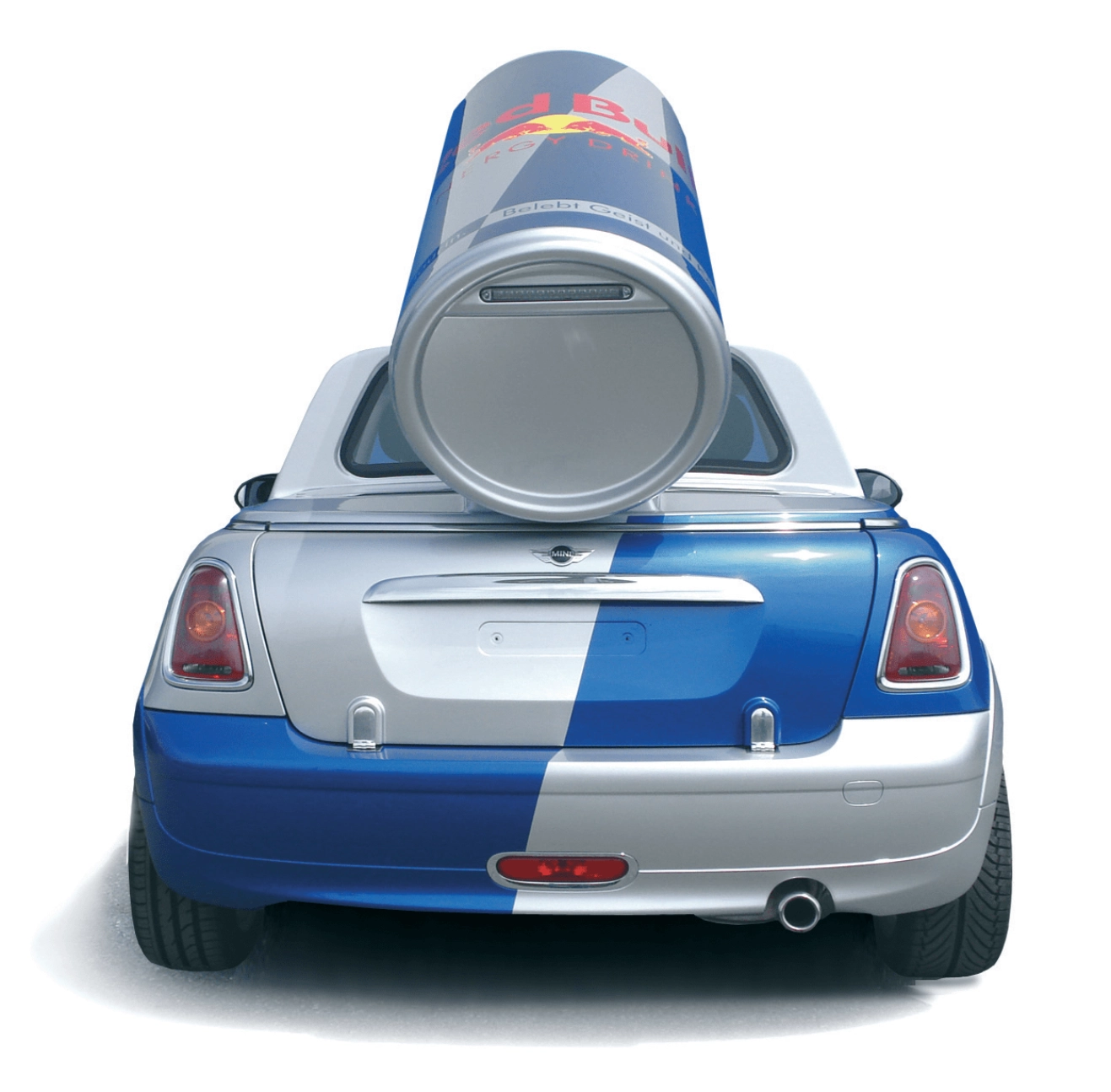
The RedBull promotional vehicle fleet is one of the most recognisable and memorable marketing tools in the history of advertising. The iconic giant energy-drink can mounted on top of MINI Cooper-based vehicles is instantly identifiable in any streetscape. Carbon Composites Ltd. proudly took part in producing the composite body components for the Central-European units of this unique fleet.
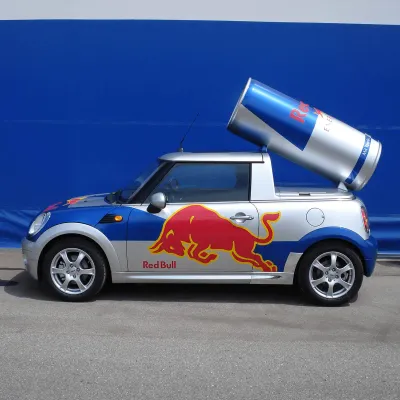
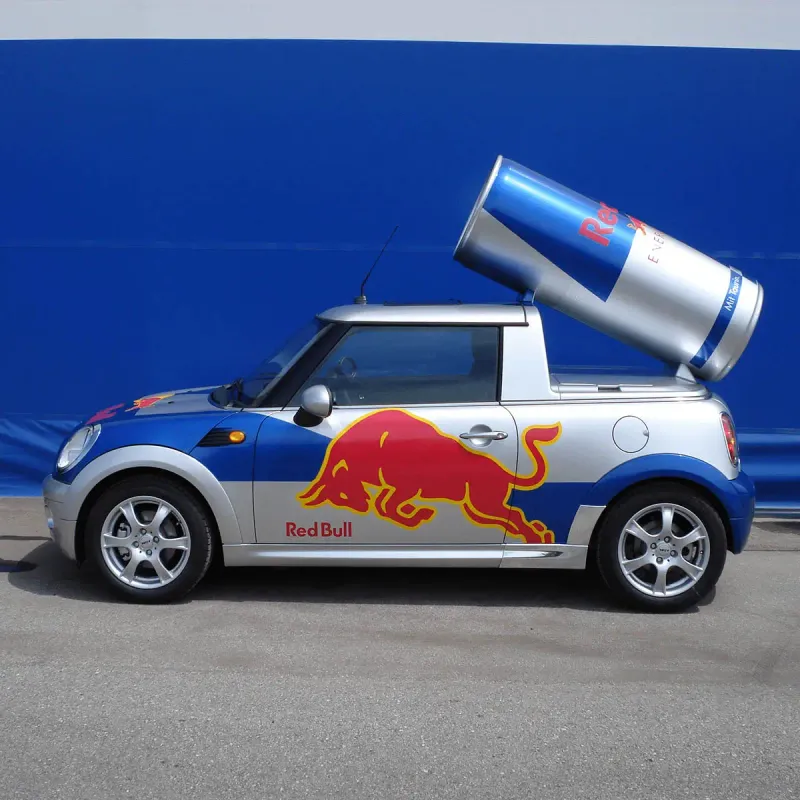
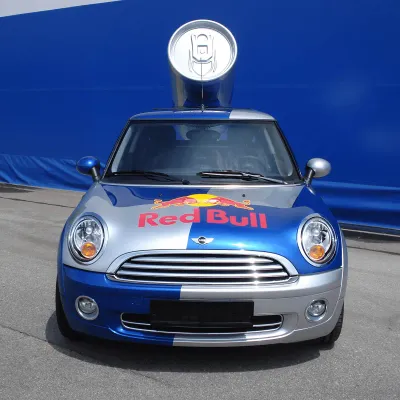
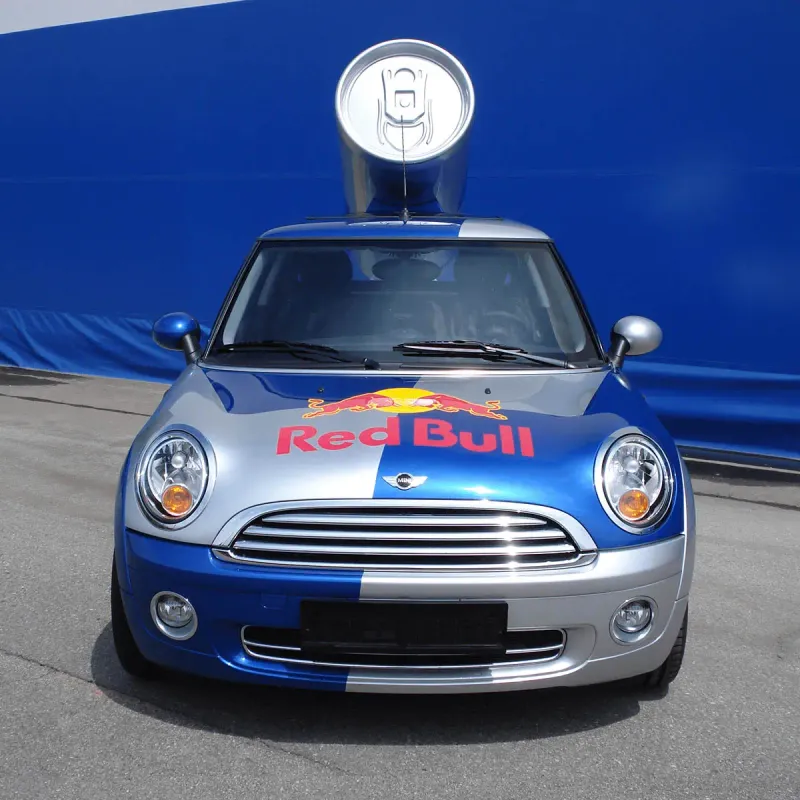
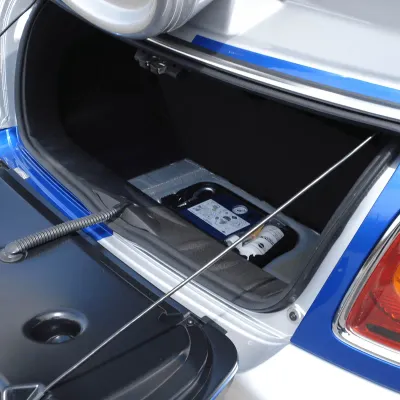
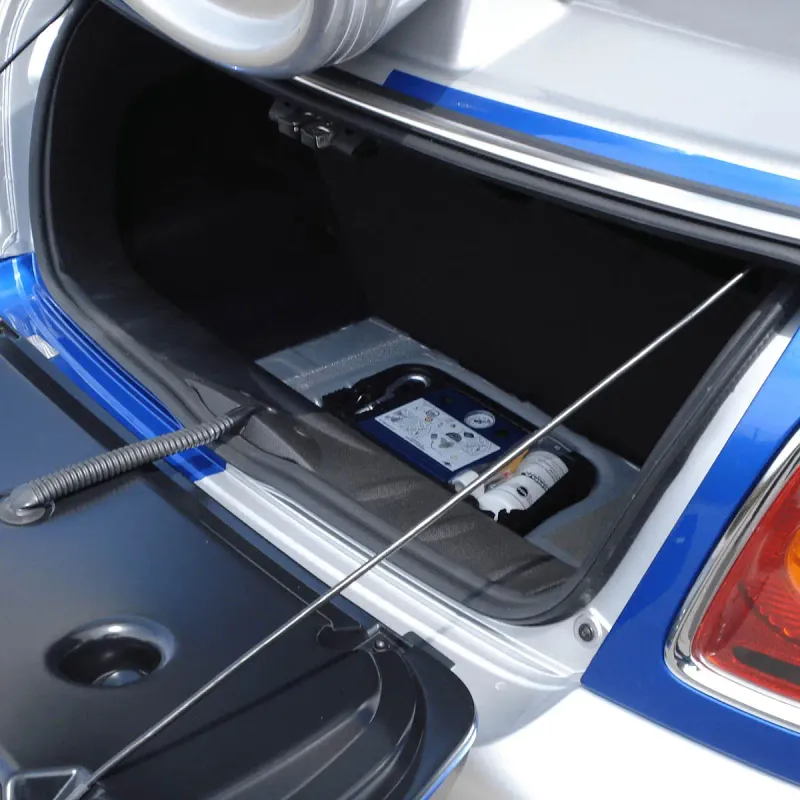
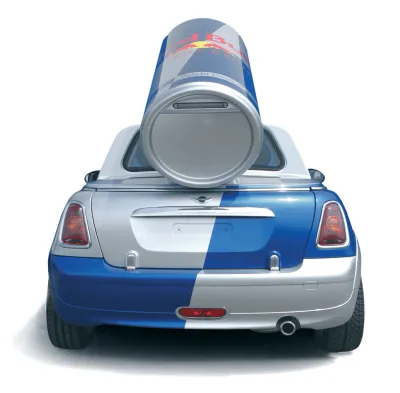
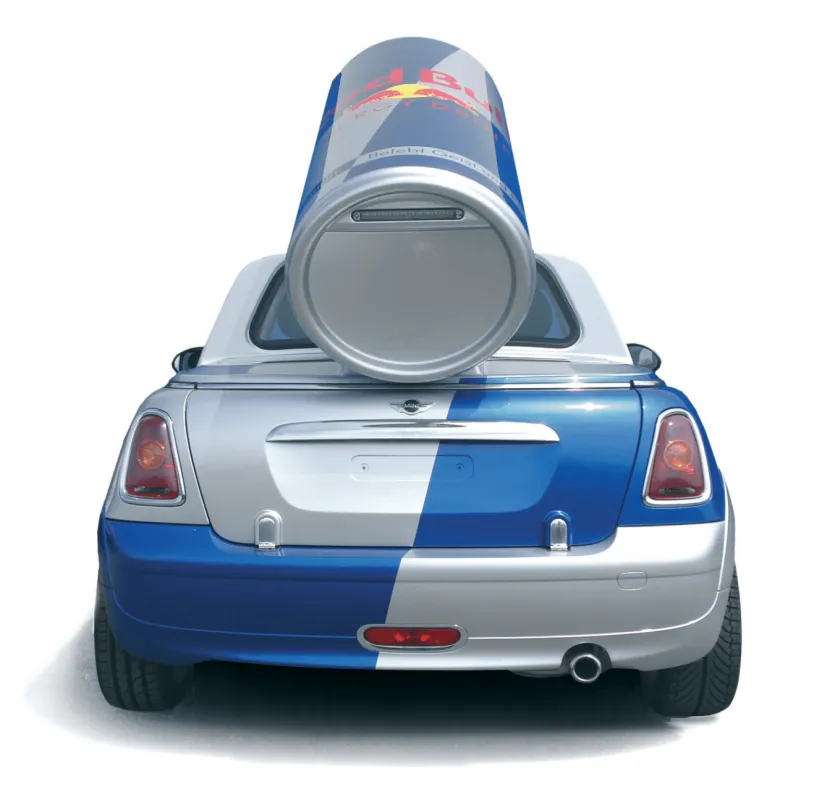
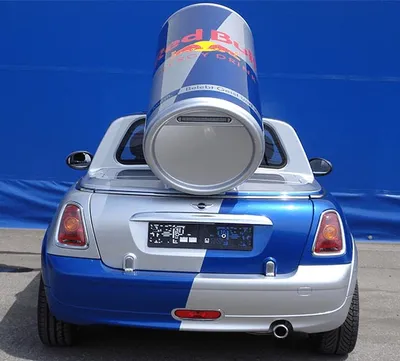
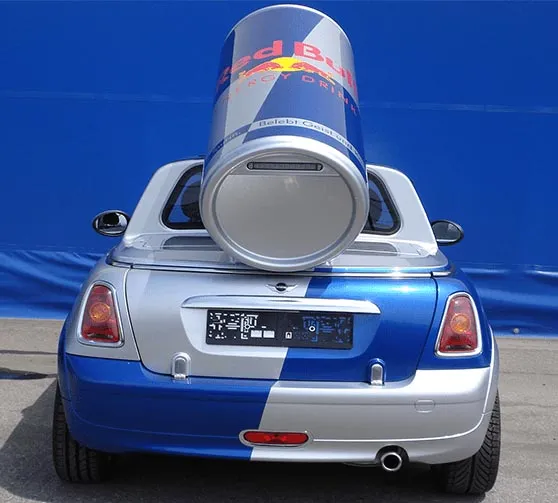
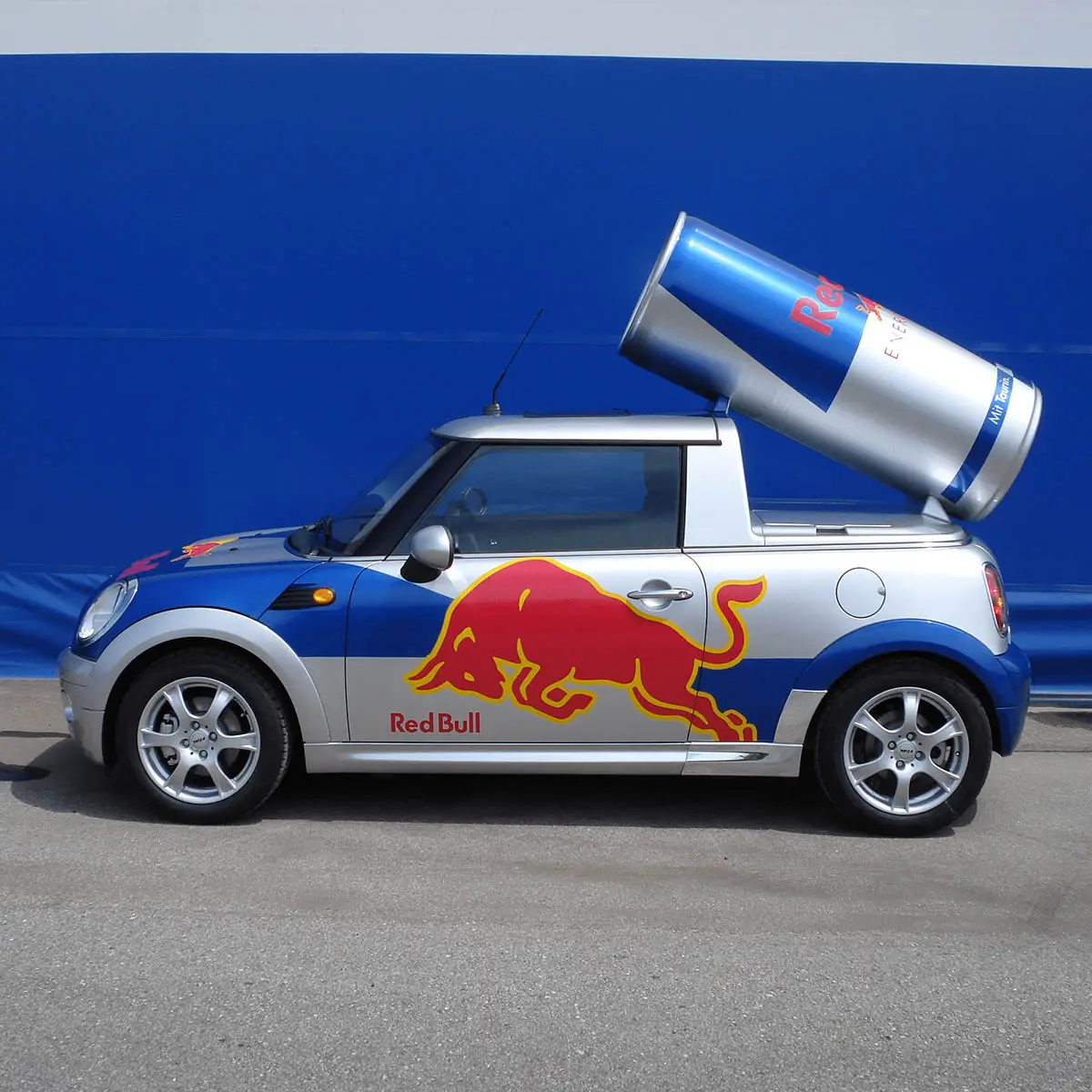
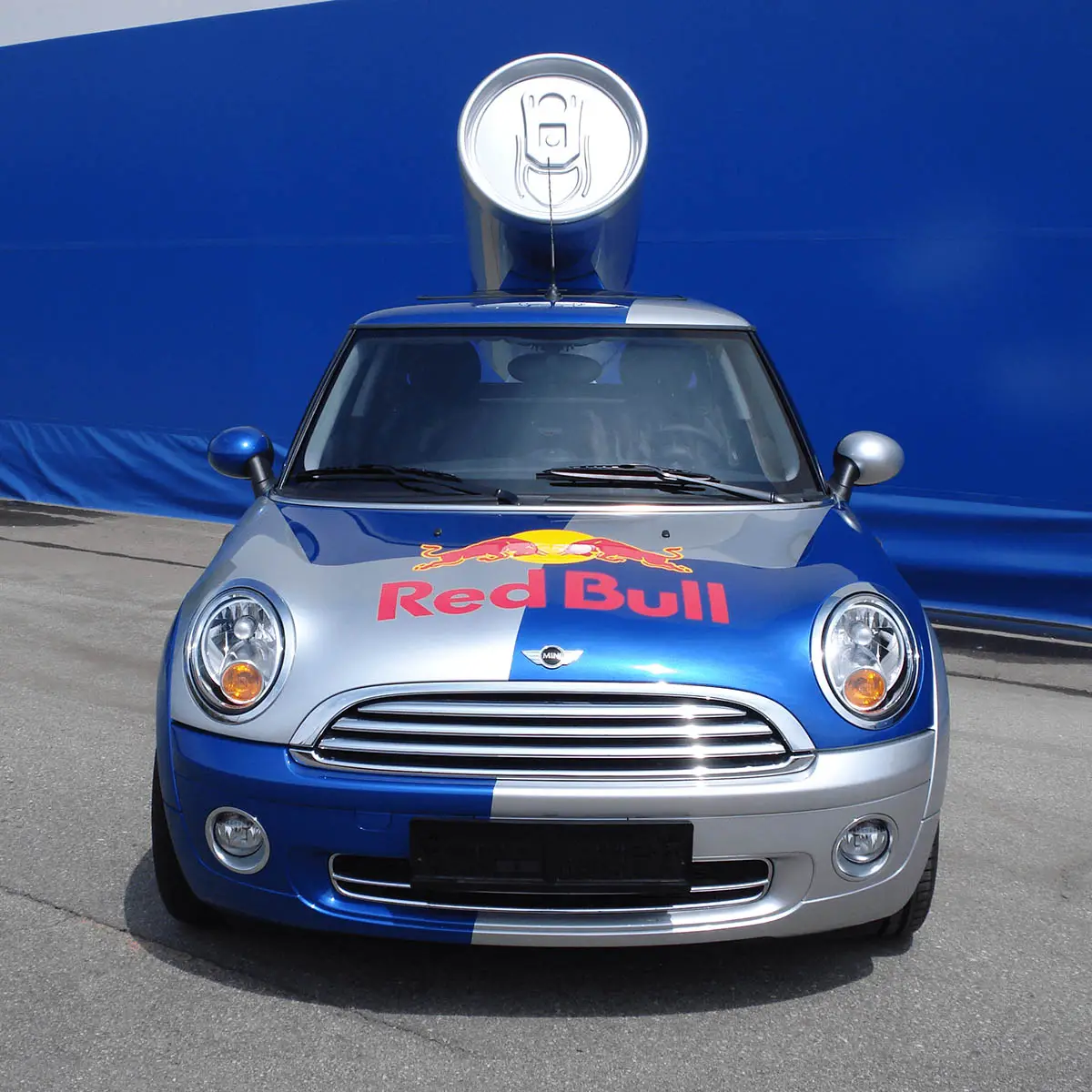
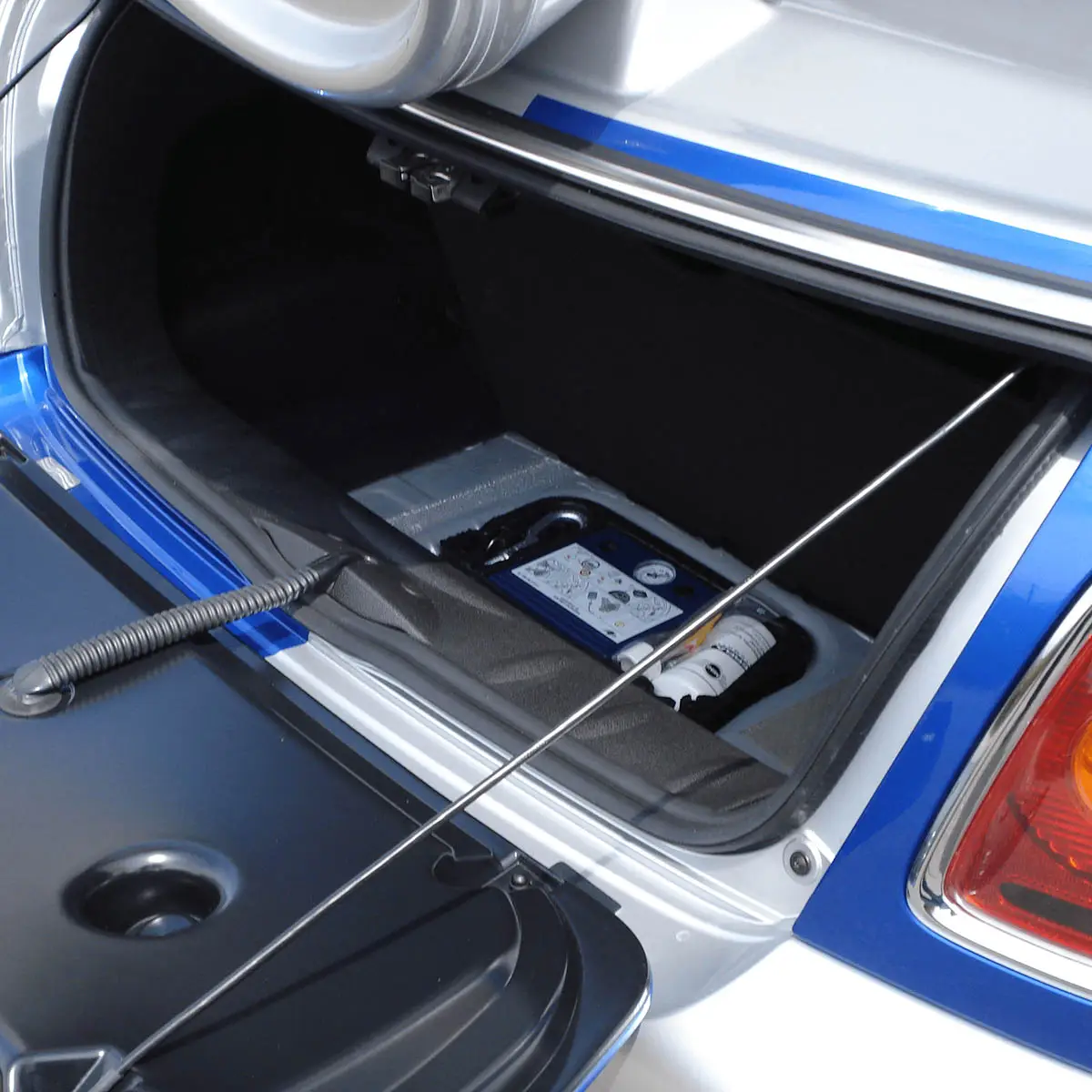
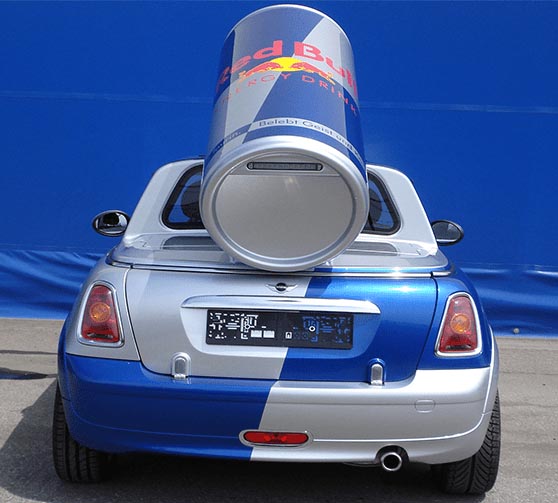
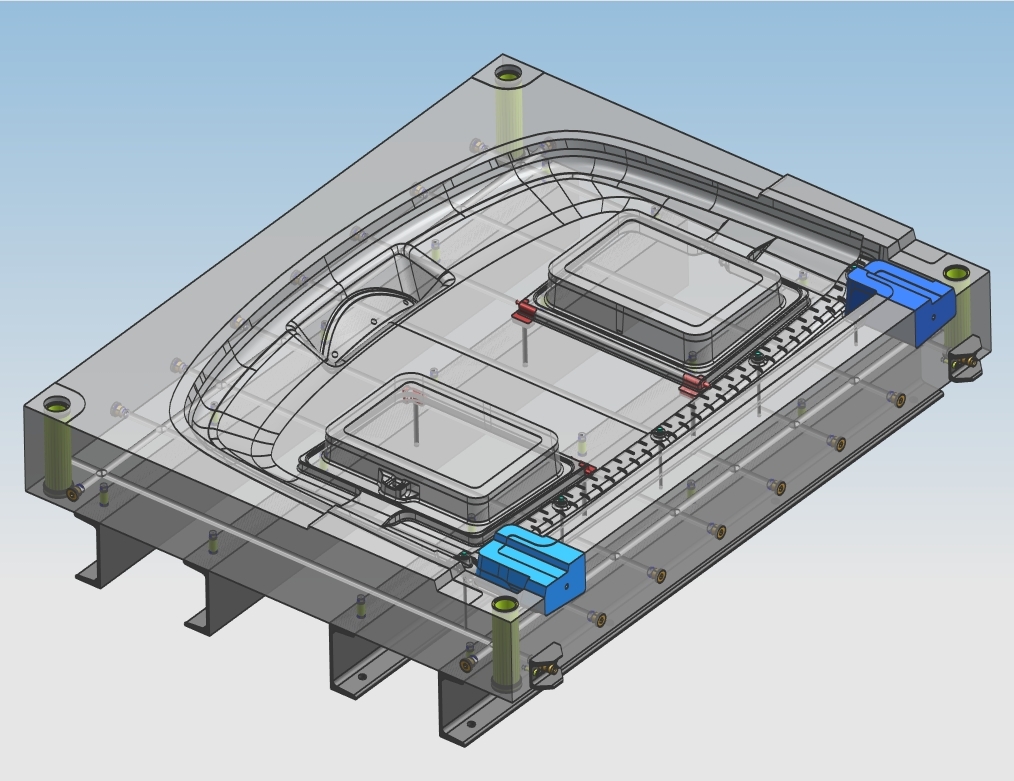
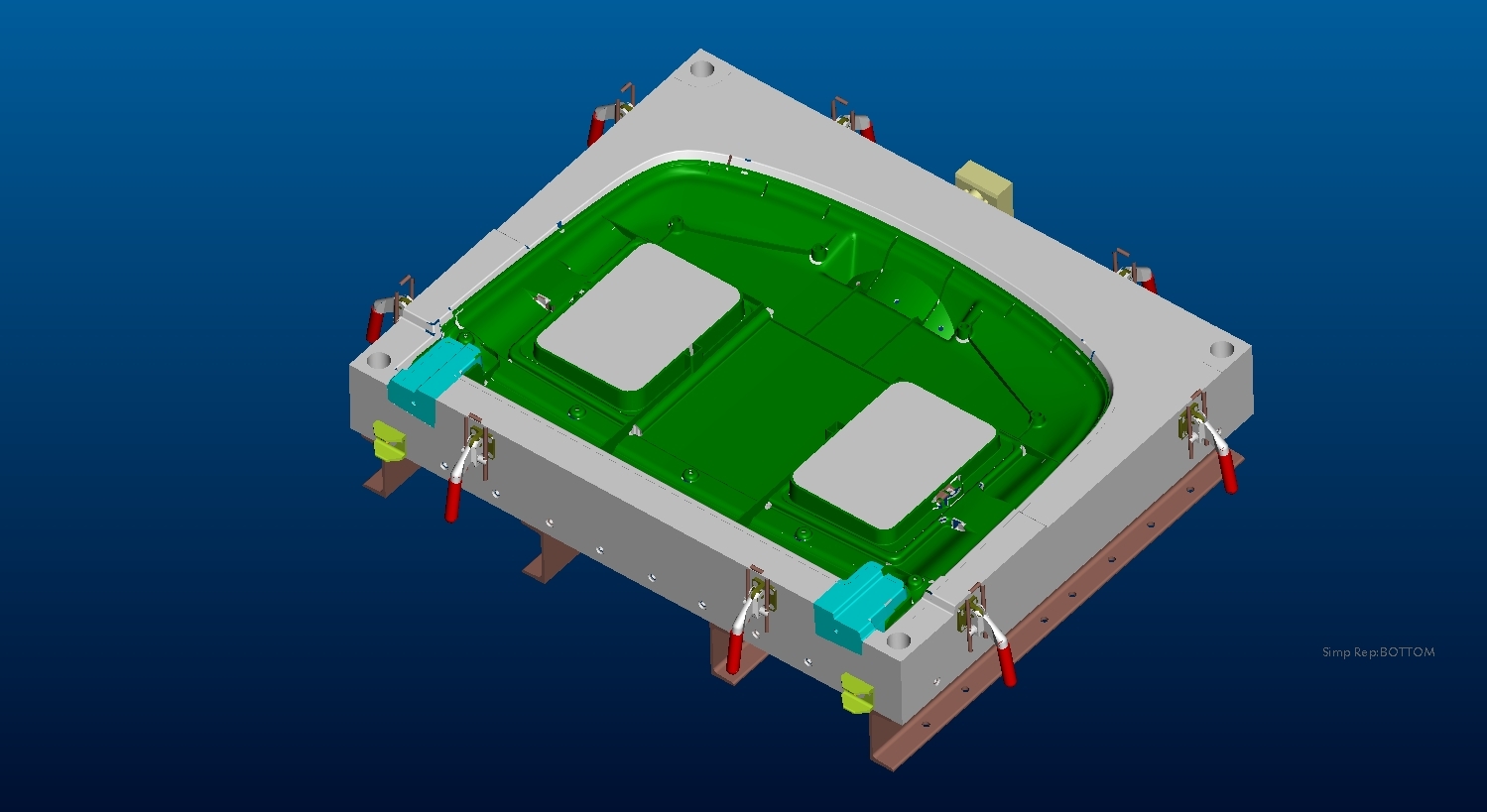
What makes this project special compared to typical industrial applications is that aesthetics and eye-catching appearance were the primary considerations. The giant can shape not only had to look spectacular but also had to meet road-traffic requirements: an aerodynamically stable, weather-resistant and safe construction that retains its colour and form over the long term under continuous use.
The Carbon Composites engineering team worked closely with RedBull’s marketing and fleet operations departments, optimising the design for manufacturability and durability while preserving the brand’s iconic visual identity. The experience gained during this project has proven useful in developing other custom promotional vehicles.
Technical Implementation
The roof-mounted can structure is based on foamed and compact polyurethane, providing an excellent balance of light weight, mechanical strength and cost efficiency. The internal frame is made from aluminium profiles that connect to the urethane shells and secure the assembly to the vehicle’s roof structure. Weight distribution was a critical factor, as the roof load must not compromise the vehicle’s stability and handling.
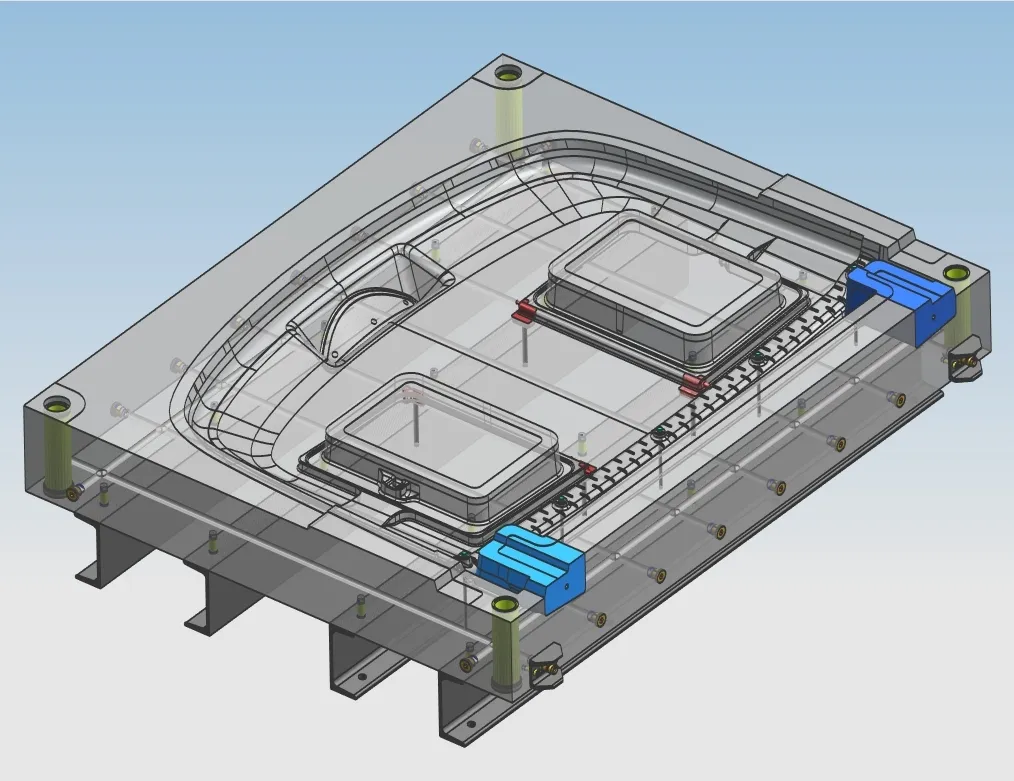
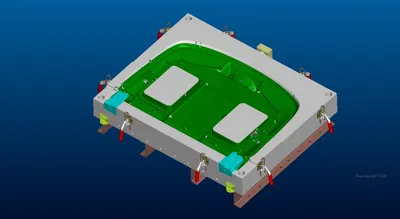
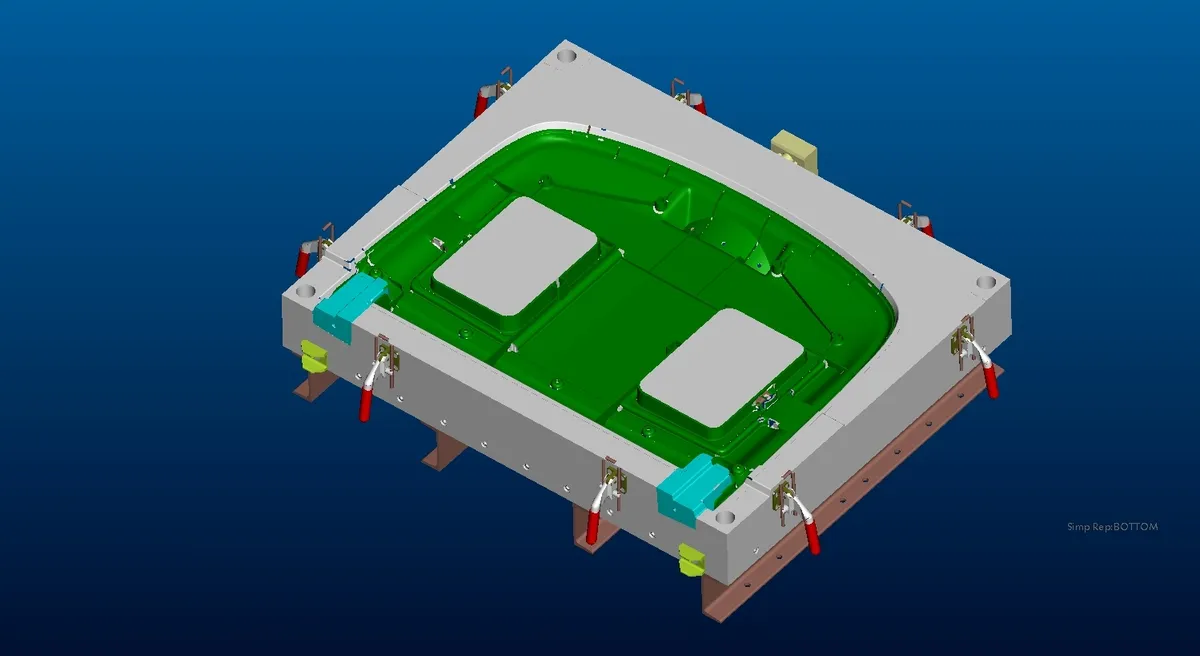
The composite elements were hand-laminated in high-precision negative moulds. During layup, particular attention was paid to reinforcing corners and edges where mechanical stress is greatest. The can shape consists of two main elements – lower and upper shell – joined by flange connections, allowing disassembly when maintenance or repair is needed.
Surface finishing was carried out with an automotive-grade two-layer system: a colour base coat in the characteristic RedBull blue-silver gradient, followed by a UV-resistant clear protective lacquer for lasting gloss and scratch resistance. Graphic elements – logos and lettering – were made from durable vinyl film that can be replaced as needed without disturbing the base coat.
From Raw Part to Finished Product
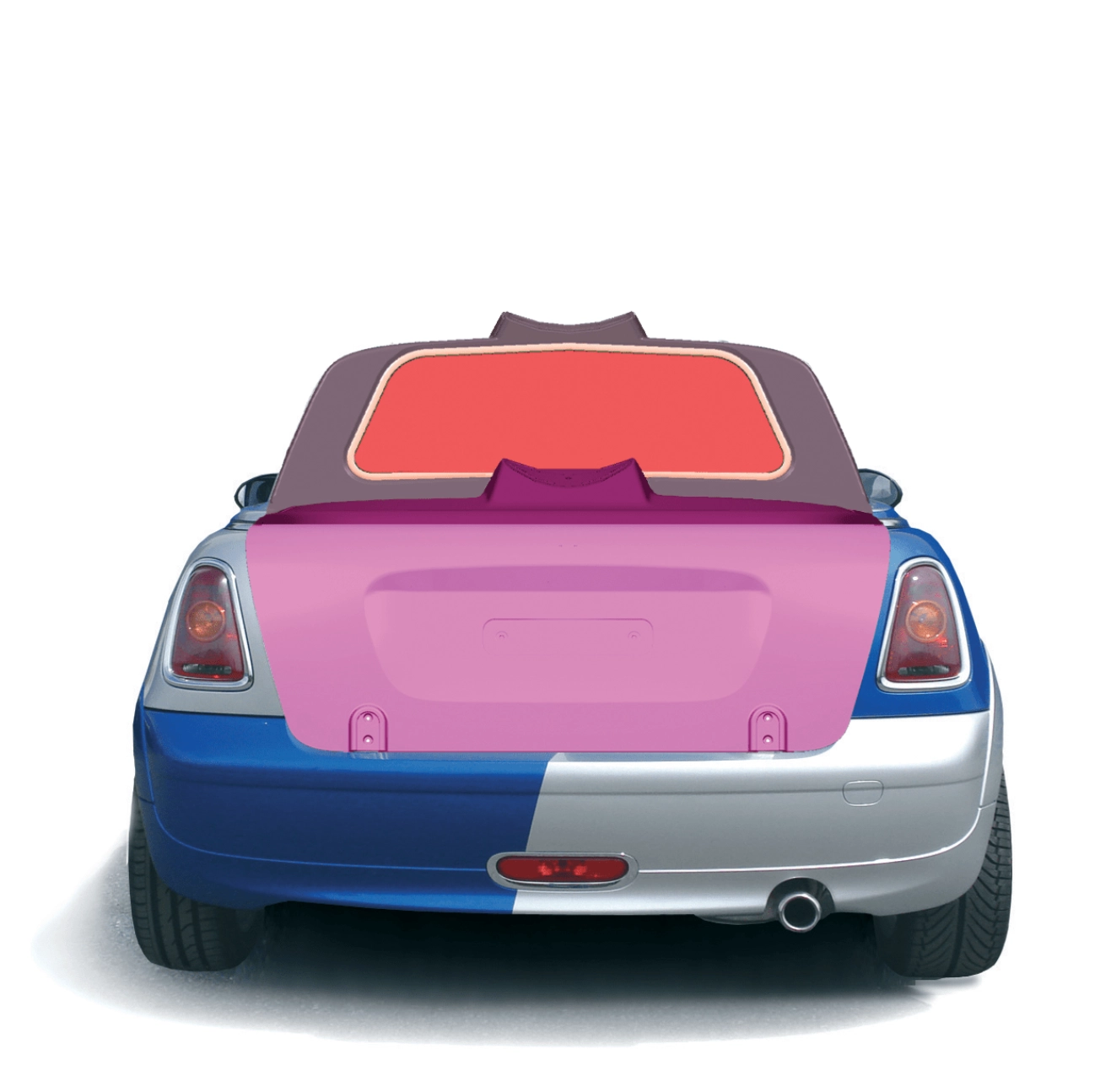
See how a polyurethane foam blank was transformed into a glossy energy-drink can.
Challenges & Solutions
One of the biggest challenges was ensuring aerodynamic stability. Such a large roof-mounted shape can cause significant air resistance and crosswind sensitivity, affecting vehicle handling – especially at motorway speeds. Discreet spoiler elements were formed on the rear of the shape to reduce turbulence and improve high-speed stability.
Another critical factor was weight minimisation. The composite shell wall thickness ranges from 3–4 mm, providing adequate rigidity against wind loads and vibrations while keeping the complete assembly below 35 kg. This mass is evenly distributed across the vehicle’s roof structure, requiring no structural reinforcement to the host vehicle. The mounting points are designed to connect to the factory roof-rack attachment points, preserving the vehicle’s original warranty status.
Weather resistance was also key, since the vehicles operate all year round in all conditions. The polyurethane parts and coating system together withstand a temperature range from -30 °C to +60 °C, UV radiation, salt-treated road surfaces and the mechanical effects of automated car washes. The first units delivered five years ago are still operating in flawless condition.
Project Data & Applied Technologies
A key element of the project was precise project management and quality assurance. Each vehicle set consisted of multiple parts that were manufactured in several stages on a scheduled basis and delivered to the customer in custom-designed, painted-part-protection crates.
Project data:
- Customer: RedBull GmbH
- Industry: Marketing / Promotion
- Period: 2019 – present
- Quantity: 250 units per year
Applied technologies:
- PU-RIM reactive injection moulding with heated aluminium moulds
- CNC trimming for precise fit
- Automotive painting with a two-layer lacquer system
- Integrated metric inserts
- Vinyl graphic film application
Materials used:
- Compact and integral rigid-foam polyurethane systems
- Hydraulic press tool
- 2K polyurethane topcoat
- Durable, UV-resistant vinyl graphic film
Summary
The RedBull promo car project not only produced a spectacular marketing tool but also proved that Carbon Composites Ltd. can simultaneously meet high aesthetic and technical requirements. The combination of unique design, reliable structural engineering and durable surface treatment creates long-term value for the customer and serves as a reference for all our future promotional vehicle projects.